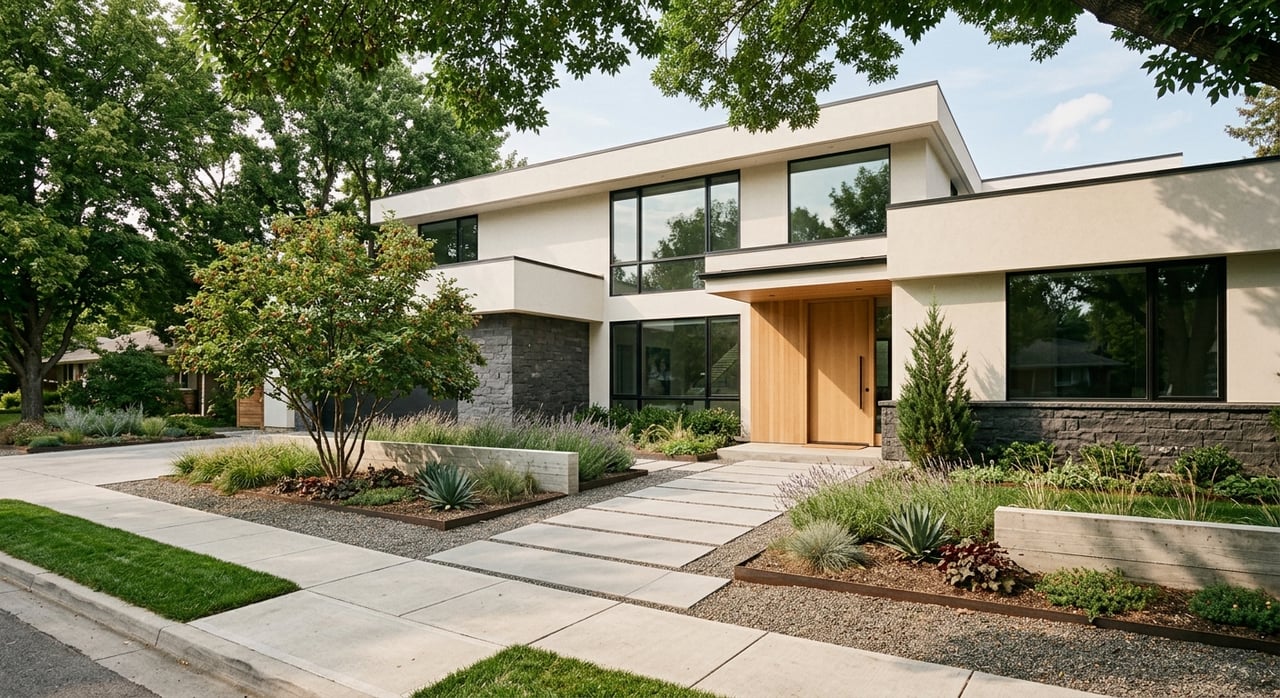
Defining Luxury Living In Denver's Hilltop Neighborhood
If you hear “luxury” and think only of price, Hilltop will change your mind. In this part of Denver, luxury living is also about lot size, architectural depth, protected neighborhood character, and a park-centered setting that feels polished and established. If you are thinking about buying or selling in Hilltop, understanding what truly drives value here can help you make sharper decisions. Let’s dive in.
In Hilltop, luxury starts with the setting. The neighborhood is bounded by Colorado Boulevard, Alameda Avenue, Holly Street, and 8th Avenue, and it is known as an almost entirely residential area with deep roots in Denver’s growth. That residential focus gives Hilltop a calm, cohesive feel that many buyers are looking for in a high-end neighborhood.
Luxury here also comes from how the neighborhood has been shaped over time. Early development was influenced by the City Lateral Canal and nearby streetcar lines before Hilltop was annexed in 1893. Today, that long history shows up in the area’s established streetscape, mature feel, and strong sense of identity.
Another important piece is stewardship. The Hilltop Neighborhood Association is a volunteer Registered Neighborhood Organization, not an HOA, and its work focuses on preserving and enhancing neighborhood character through zoning, redevelopment, traffic, safety, parks, and community activities. For buyers and sellers, that signals a neighborhood where character is actively protected, not left to chance.
One of the clearest markers of Hilltop luxury is land. In many Denver neighborhoods, lot size can feel like a bonus. In Hilltop, it is part of the neighborhood’s identity.
Denver’s zoning code recognizes the Hilltop Heritage Conservation Overlay District, known as CO-1. Within that overlay, existing zone lots that are amended or subdivided must remain at least 75 feet wide at the setback line and at least 9,300 square feet. The code also requires proposals to meet the district’s adopted standards before a zoning permit can be issued.
That matters because it helps preserve the scale that buyers associate with Hilltop. Large lots support wider setbacks, more substantial homes, more usable outdoor space, and a sense of visual openness that is harder to find in denser parts of the city. When you compare Hilltop to neighborhoods where redevelopment has pushed smaller lots and tighter spacing, the difference is easy to see.
For sellers, this preservation framework can support long-term value. For buyers, it helps explain why Hilltop is often seen as redevelopment-sensitive rather than a place for easy lot splitting or high-density infill. In simple terms, the neighborhood’s physical character is one of its luxury features.
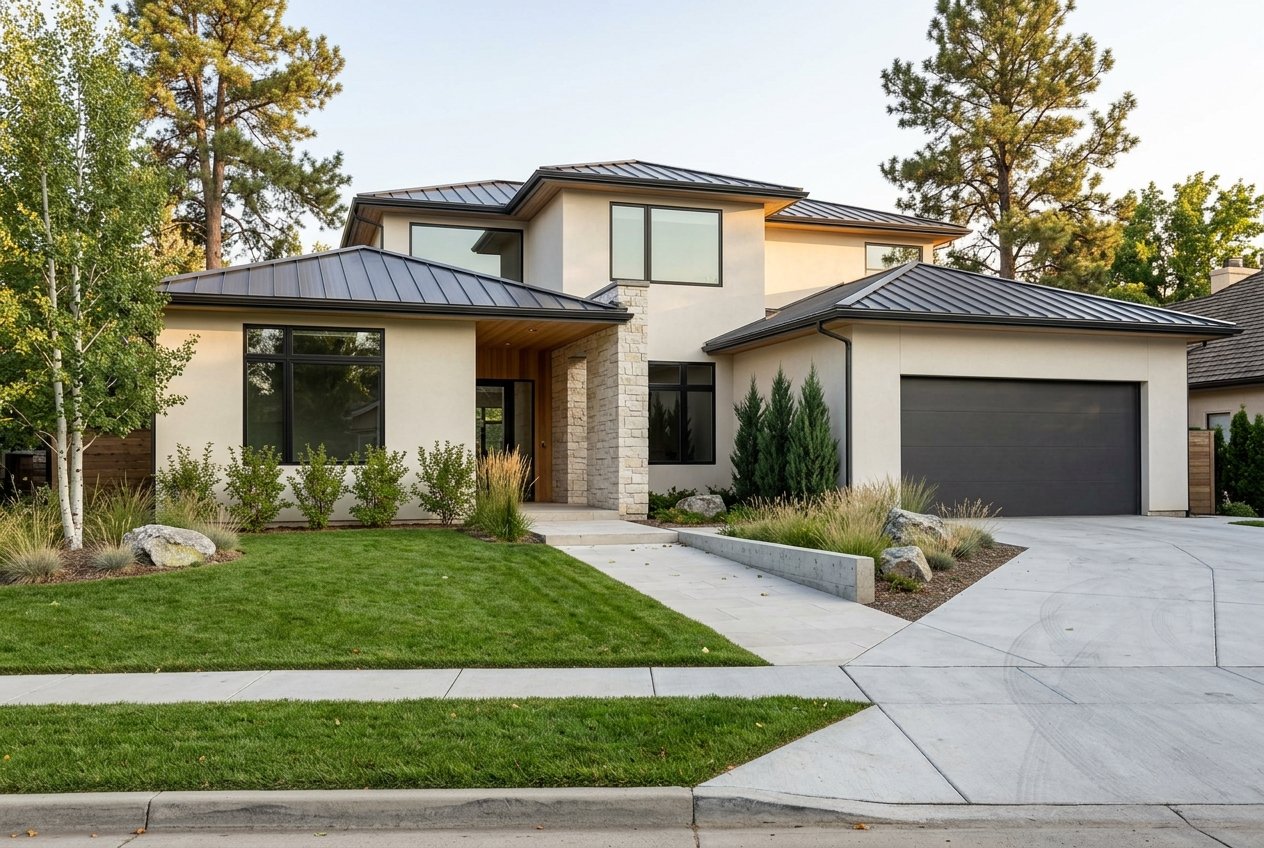
Hilltop does not fit into one architectural box, and that is part of its appeal. Rather than offering a single dominant style, the neighborhood presents a mix of eras and design approaches that give it visual interest block by block.
Local historical sources describe Hilltop’s growth since the 1930s with Tudor, Prairie, and Streamline Moderne residences. The area is also tied to architect Victor Hornbein, whose modernist work helped shape parts of Hilltop with designs that were both forward-looking and grounded in place. That range means buyers often encounter homes with very different personalities, even within a short distance.
The neighborhood’s architectural variety extends beyond private residences. In-neighborhood examples highlighted by local sources include the modern Graland science building, the Streamline Moderne Amos Steck Elementary, the Art Deco Cinderella Home, and Shangri-La. Taken together, these examples reinforce that Hilltop luxury is not one-note. It is layered, design-conscious, and historically rich.
For buyers, this means home shopping in Hilltop often comes down to matching your taste with the right block, scale, and renovation quality. For sellers, it means presentation matters. In a neighborhood where architecture carries weight, buyers pay attention to design integrity, updates, and how well a home fits its site.
Luxury is not only about what sits inside the property line. In Hilltop, it is also about what surrounds you every day.
Cranmer Park, also known as Sundial Park, is one of the neighborhood’s best-known lifestyle anchors. Located off Colorado Boulevard between East 1st and East 3rd Avenues, it features a sundial terrace with panoramic views of the Rocky Mountains and the Denver skyline. Those views give the neighborhood a signature sense of place that is hard to replicate.
Hilltop also benefits from other neighborhood park assets, including Robinson Park, Burns Park, and the 6th Avenue Parkway. The parkway runs about two miles from Colorado Boulevard to Quebec Street and is recognized as one of Denver’s scenic historic corridors. These green spaces and parkways add visual relief, walking routes, and a stronger connection to the outdoors.
Just as important, the neighborhood’s well-kept feel is supported by active civic involvement. The neighborhood association says residents support parks through grants, monitoring, and garden maintenance. That kind of stewardship helps maintain the polished environment that buyers expect at this price point.
Hilltop is firmly positioned in Denver’s luxury market, and current data points all move in the same direction even when their methodologies differ. Redfin reports a median sale price of $1,895,852 over the three months ending May 2026, along with a median of 7 days on market. Zillow reports a typical home value of $1,543,697, a median list price of $1,920,833, and 46 homes for sale as of June 30, 2026.
Realtor.com reports a June 2026 median listing price of $1.85 million, a median sold price of $2.49 million, 59 active listings, and 32 days on market, and labels Hilltop a seller’s market. These figures should not be treated as interchangeable because each platform measures the market differently. Still, they tell a consistent story.
Hilltop is a premium market with seven-figure pricing, limited inventory, and buyers who are willing to move quickly for the right property. In a neighborhood like this, value is often shaped by a few core drivers:
For buyers, that means pricing is not just about square footage. For sellers, it means the market may reward thoughtful preparation and strong positioning, especially when your home offers the specific features Hilltop buyers are looking for.
If you are shopping in Hilltop, it helps to look beyond finishes alone. Two homes with similar square footage can present very different value depending on lot width, placement on the lot, architectural pedigree, and access to neighborhood amenities.
Start with the lot. Because parcel scale is such an important part of Hilltop’s identity, you will want to understand how a home sits on its site and how that compares with nearby properties. A generous lot can influence privacy, curb presence, future usability, and the overall feel of the property.
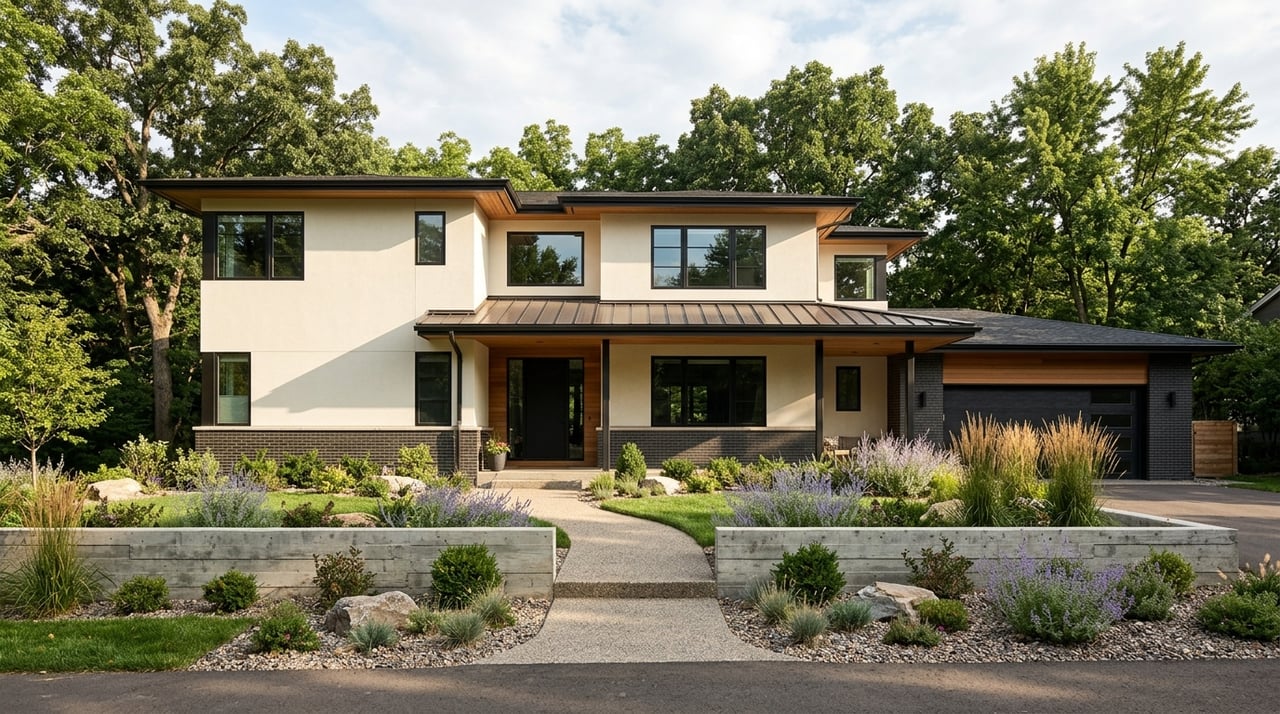
Next, consider the home’s architectural story and update quality. In a multi-era neighborhood, buyers often compare traditional brick two-stories, mid-century modern homes, older character homes, and newer custom builds in the same search. A home that has been updated in a way that respects its design can stand out more than one with expensive but mismatched finishes.
Finally, pay attention to pace. With market snapshots showing fast movement and low inventory, waiting too long can cost you options. In a competitive segment, preparation and a clear strategy matter.
If you own a home in Hilltop, the neighborhood often rewards smart positioning over generic marketing. Buyers here are usually looking at more than price per square foot. They are judging design, lot utility, curb appeal, and how your property fits Hilltop’s established identity.
That means your listing strategy should clearly communicate the home’s strongest value drivers. A wide lot, thoughtful renovation, architectural details, park proximity, and outdoor living potential all deserve focused attention. In a luxury segment, presentation is part of pricing power.
It also helps to understand that buyers in Hilltop may compare your home against a broad range of property styles. Because the neighborhood is architecturally diverse, your home should be marketed in a way that emphasizes what makes it compelling within its own category, not just against the neighborhood average.
In Hilltop, luxury living is best defined by a combination of space, design, history, and setting. It is the feel of a largely residential neighborhood with long-standing character. It is the value of preserved lot scale, the variety of architecture, and the daily benefit of parks, views, and scenic streets.
Most of all, Hilltop luxury is about scarcity. There are only so many large lots, only so many homes with true architectural distinction, and only so many locations that combine neighborhood character with this level of market demand. That is why Hilltop continues to stand out for both buyers and sellers in Denver.
If you are considering a move in Hilltop, working with a sharp local advocate can help you evaluate value, move decisively, and position your property for the strongest possible outcome. Connect with Tatiana Torres for a strategic conversation about buying or selling in Denver’s luxury market.
We pride ourselves on informing and educating our clients in order to make better real estate decisions. Contact us today to find out how we can be of assistance to you!
200 COLUMBINE ST STE 500 DENVER CO 80206