What Weekend Living Says About Platt Park Denver Lifestyle
Ever wonder what your weekends would actually feel like if you lived in Platt Park? That question matters, because a neighborhood can look great on paper and still miss the rhythm you want in daily life. If you are considering this part of Denver, here is what weekend living in Platt Park really looks like, from South Pearl Street routines to transit access, home styles, and the kind of buyer who tends to feel at home here. Let’s dive in.
Platt Park is a compact, close-in Denver neighborhood with defined boundaries at Broadway, Downing, I-25, and Evans. According to the neighborhood organization, it serves nearly 3,000 homes and businesses, which gives it a distinctly established neighborhood feel rather than a spread-out suburban layout.
That compact footprint shapes the way the area lives. You get a residential setting with a strong local identity, plus easy access to a concentrated commercial corridor instead of needing to drive from one pocket to another for every outing.
If you want to understand weekend living in Platt Park, start with South Pearl Street. It is the neighborhood’s main commercial spine, described by the street association as a historic shopping district with tree-lined blocks, local retail, dining, and seasonal events.
South Pearl runs from Buchtel to Jewell Avenues, and it does a lot of heavy lifting for the neighborhood’s lifestyle appeal. In practical terms, it is where a casual Saturday can turn into coffee, browsing, lunch, errands, and dinner without feeling forced or overplanned.
The South Pearl merchant mix is one of the clearest signs of how people use the neighborhood on weekends. The directory includes coffee shops, bakeries, restaurants, a brewery, a wine shop, books, boutiques, gifts, and wellness services.
Names listed on the directory include Lavender Coffee Boutique, Stella’s Coffee Haus, Steam Espresso Bar, Kaos Pizzeria, Platt Park Brewing, Park Burger, Hazel Bar, Sushi Den, Uno Mas Taqueria, and Ruby’s Market. That kind of mix supports both quick errands and slower, more social weekends.
What stands out about South Pearl is that it functions as more than a retail strip. Based on the mix of businesses and the way the district is framed, it works as a place where you can spend time, not just complete tasks.
That matters if you are looking for a neighborhood with built-in activity. Some Denver areas feel primarily residential, while others feel almost entirely commercial. Platt Park lands in a balanced middle ground where both can coexist.
For many buyers, the strongest sign of a neighborhood’s weekend identity is whether it has a regular gathering point. In Platt Park, that anchor is the South Pearl Street Farmers Market.
For 2026, the official market schedule lists Sundays from May 3 through November 8, from 9:00 a.m. to 1:00 p.m. It takes place on the 1400 and 1500 blocks between Iowa and Arkansas, right in the heart of the district.
The market is open rain, snow, or shine unless weather is extreme. That consistency helps turn it into a habit instead of a special event, which is a big part of how neighborhood culture gets built over time.
If you are picturing a Sunday routine in Platt Park, this is easy to imagine. You can grab coffee, walk the market, pick up a few things, and stay in the neighborhood instead of planning your whole day around a drive.
South Pearl also hosts recurring and annual events that keep weekends feeling active through much of the year. The event calendar includes Final Friday events from June through October, along with annual happenings such as Pride on South Pearl, Oktoberfest, Winterfest, and the fairy doors installation.
That event schedule gives the neighborhood a sense of rhythm beyond restaurants and shops. It adds reasons to return to the main corridor throughout the year, even if your typical weekend is low-key.
One of the most common questions about Platt Park is whether it is mainly a shopping district or a quiet residential pocket. The answer is both.
South Pearl brings visible energy, but the neighborhood itself is not defined only by its retail corridor. The residential side of Platt Park is part of what gives the area its appeal, especially for buyers who want character, established streets, and a sense of place.
Platt Park’s development is closely tied to transit history. South Pearl’s history page notes that the Denver Tramway Company extended trolley service down South Pearl in June 1893, which helped spur later development along the corridor.
That history still helps explain the neighborhood today. The older street pattern, walkable commercial spine, and close-in feel are not accidental. They are part of the area’s long development story.
Transit access is one of Platt Park’s strongest practical advantages. If you want a neighborhood where driving is not your only option, this is one of the features that deserves your attention.
RTD’s Louisiana / Pearl Station serves the E and H rail lines and bus routes 11 and 12. Evans Station serves the D, E, and H rail lines and bus route 21. I-25 / Broadway Station serves the D, E, and H rail lines and bus routes 0, 0L, 11, and 14.
Having multiple stations at or near the neighborhood edges gives you flexibility. Whether you are heading out for work, meeting friends elsewhere in Denver, or planning a car-light weekend, that level of access can meaningfully change how convenient the neighborhood feels.
RTD states that the light rail system operates more than 60 miles of track and six fixed routes. In a close-in neighborhood like Platt Park, that helps support the idea that you can stay locally connected while still reaching other parts of metro Denver with relative ease.
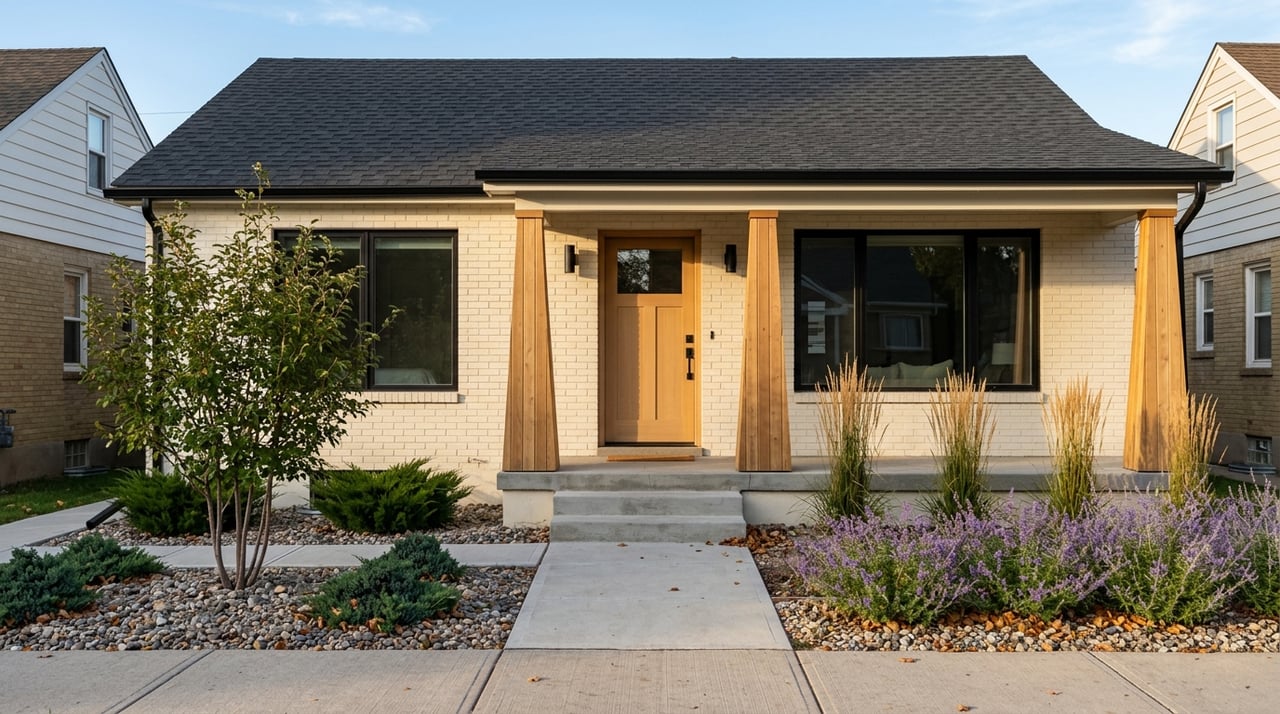
Lifestyle matters, but so does housing stock. Platt Park is known for a mix of older character homes and some newer housing options, which broadens the range of what buyers may find.
A recent neighborhood profile describes the area as historic and tree-lined, with Craftsman bungalows, updated homes, duplexes, Victorians, and some newer townhome and condo product. That blend is a big part of the neighborhood’s appeal, especially if you want charm without limiting yourself to one housing type.
Platt Park is not the kind of neighborhood where every block feels the same. You may see classic homes with original character, updated properties, attached housing, and newer infill mixed into the broader residential fabric.
For buyers, that can be a plus. It creates more ways to enter the neighborhood depending on your budget, style preferences, and maintenance goals.
The same neighborhood profile reported a 2025 average sale price of $1,079,419 and a population of 7,078. Those numbers are best viewed as a recent snapshot, but they do suggest that Platt Park is a close-in, high-demand Denver neighborhood.
If you are shopping here, it helps to go in with a clear plan. Desirable location, established character, and access to South Pearl and transit all support strong buyer interest.
Not every neighborhood fits every buyer, and that is exactly why clarity matters. Based on the housing mix, compact layout, and strong South Pearl identity, Platt Park tends to work especially well for buyers who value character, convenience, and a defined neighborhood feel.
You may be a strong fit for Platt Park if you want:
It may be less aligned with your priorities if your top goal is a large lot or a more suburban-only environment. The neighborhood’s compact structure is part of its appeal, but it is important to match that to how you actually want to live.
A realistic Platt Park weekend does not need to be flashy to be appealing. That is part of the point.
You might start with coffee on South Pearl, walk a few blocks under mature trees, stop into a local shop, and meet friends or family for lunch. On a Sunday during market season, the farmers market can become the centerpiece of the morning. At other times of year, a Final Friday or seasonal event may shape the day instead.
That kind of routine tends to appeal to buyers who want their neighborhood to do more than provide an address. They want it to support how they spend their time.
When buyers focus only on square footage or finish level, they can miss the bigger picture. Weekend living is where your neighborhood choice becomes real.
Platt Park stands out because it offers a recognizable rhythm. It has a historic commercial corridor, recurring events, a regular farmers market, varied housing stock, and strong transit access at or near its edges. Together, those features create a neighborhood that feels active and connected without losing its residential identity.
If you are weighing whether Platt Park fits your lifestyle, the smartest move is to look beyond the listing photos and think about your actual routine. That is usually where the right neighborhood choice becomes clear.
If you want help comparing Platt Park to other Denver neighborhoods, or you are planning a move in Denver and want sharp guidance on where your lifestyle and budget align, connect with Tatiana Torres. You will get direct advice, strong advocacy, and a strategy built around your next move.


We pride ourselves on informing and educating our clients in order to make better real estate decisions. Contact us today to find out how we can be of assistance to you!
200 COLUMBINE ST STE 500 DENVER CO 80206