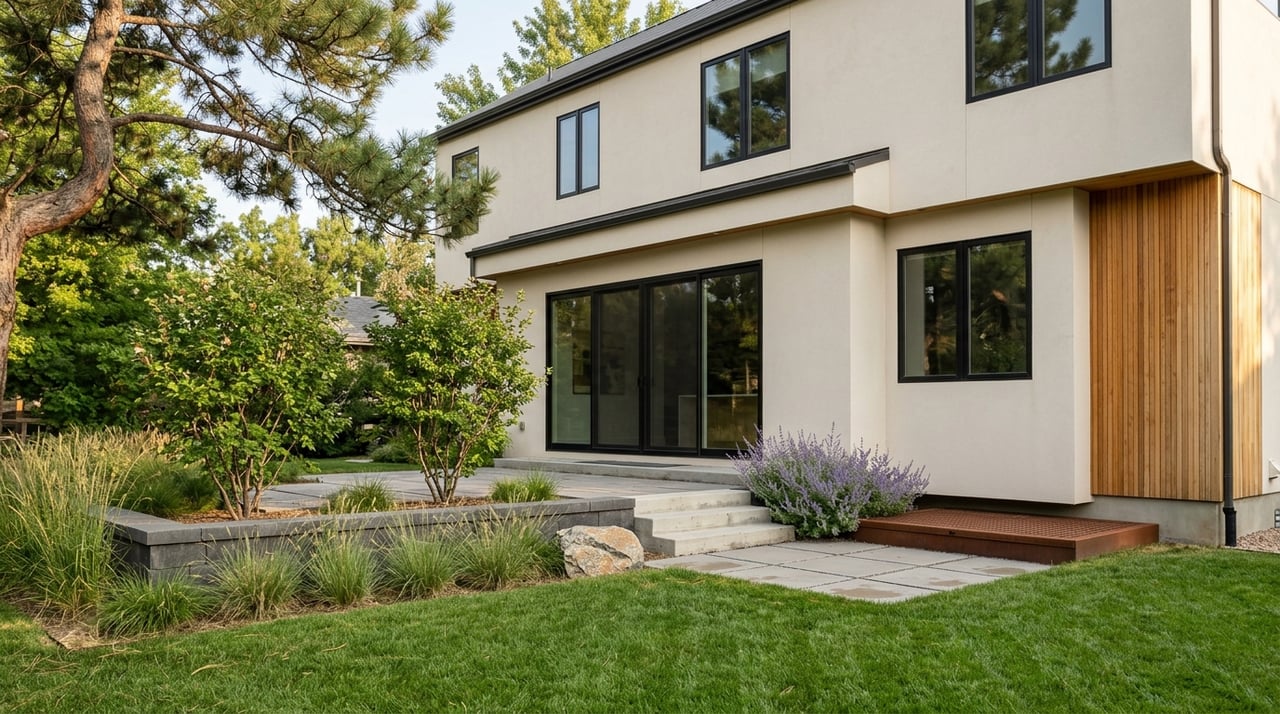
Trading Up Within Central Park Denver
Thinking about moving up in Central Park but not ready to leave the neighborhood behind? You are not alone. Many homeowners here love the parks, trails, pools, and town centers, but still need more space, a better layout, or newer finishes. If that sounds like you, the key is building a plan around equity, timing, and the true cost of your next move so you can trade up with confidence. Let’s dive in.
Trading up within Central Park is different from moving to a totally new area. This is a large master-planned neighborhood with about 4,700 acres overall and roughly 1,100 acres of parks and open space, including the 80-acre Central Park itself. For many owners, the move is not just about getting a larger house. It is also about keeping the lifestyle and amenities that made the neighborhood appealing in the first place.
Central Park also has a different housing mix than a fully built-out neighborhood or a brand-new subdivision. The community is in its final chapter of development, but new homes are still available. That means your next step may involve comparing a resale home with one of the limited remaining newer-phase options instead of choosing from a wide-open new construction market.
Before you look at the next home, you need to know what you can actually use from your current home sale. The most important number is not your home’s estimated value by itself. It is your net proceeds after your mortgage payoff, selling costs, possible repairs or concessions, and the cash needed to close on the next purchase.
This is where many move-up plans get off track. On paper, your equity may look strong, but the amount you can deploy toward your next home can be much lower once all costs are accounted for. If you want to move up smoothly, you need a realistic number from the start.
A higher purchase price is only part of the equation in Central Park. The neighborhood has layered ownership costs that can affect your monthly budget. The Central Park MCA’s 2026 schedule lists regular residential for-sale assessments at $58 per month, and other unit types are assessed differently.
That is only one piece of the monthly stack. Depending on the property, you may also have sub-HOA dues and metro-district-related obligations. When you trade up, it is smart to compare the full monthly cost of each option instead of focusing only on principal and interest.
One of the biggest move-up decisions in Central Park is whether to buy a resale home or a newer-phase property. Because there is still some new-home activity in the community, including Northfield, buyers still have options. But those options are limited compared with a full-scale new development.
A resale home may offer faster availability and a more established setting. A newer-phase home may offer more recent systems, finishes, and design choices. The right answer usually comes down to what problem you are trying to solve and what total cost makes the most sense.
A resale home can be a strong choice if your priority is timing, location within the neighborhood, or value relative to size. You may also find homes with finished basements, mature landscaping, or layouts that work well without the wait that can come with newer inventory.
If you are selling and buying in the same neighborhood, speed and certainty matter. A resale home can sometimes make it easier to align your sale timeline with your next purchase.
A newer-phase home may be worth considering if your top priorities are updated finishes, newer mechanical systems, and lower near-term maintenance concerns. In the current market, buyers have continued to reward updated homes and well-maintained systems.
That matters on both sides of your move. If you buy newer, you may gain the finishes and features you want now. If you stay with resale options, you should weigh whether a home that needs work still makes financial sense after renovation.
This is one of the most important questions for move-up sellers in Central Park. The answer is not always yes. The better question is whether the expected resale benefit is greater than the cost of the work.
According to the June 2026 DMAR market trends report, buyers have continued to reward updated finishes, well-cared-for homes, and newer, well-maintained mechanical systems. That suggests two practical strategies if your current home feels dated:
The goal is not to over-improve. The goal is to make smart choices that support stronger net proceeds and a cleaner sale.
Central Park ownership comes with a community structure that is important to understand before you sell or buy. The Master Community Association operates and maintains community assets funded by the Park Creek Metropolitan District, including pools, town centers, parks, trails, pedestrian paths, and parkways.
In practical terms, that means some neighborhood costs are supported through a special-district framework, not only through standard HOA dues. For buyers and sellers, that makes it essential to review each property’s exact obligations instead of assuming all homes carry the same costs.
One common misconception is that every Central Park home has the same assessment setup. That is not the case. MCA assessments vary by unit type, and some properties may also have sub-association dues and metro-district obligations that differ by parcel or filing.
Before you make an offer, verify the exact assessment stack, design rules, and membership obligations tied to the property. That extra review can help you avoid surprises in your monthly costs.
Colorado’s 2025 metro-district law, HB25-1219, requires sellers of residential property inside a metro district to disclose key district information up front. That includes the district’s service plan, website, authority to issue debt and levy property taxes and fees, and an estimate of district property taxes, along with overlapping tax information.
For Central Park sellers, this is a major planning point. District review is now an early disclosure issue, not just a closing detail. If you are preparing to list, it helps to gather these materials well before you go live.
Once you know your likely net proceeds and target price range, the next question is timing. Most move-up owners choose one of three paths:
The best fit depends on your available equity, comfort with payment overlap, and the type of home you want next. If you are targeting one of the limited remaining newer-phase homes, or a desirable resale, preparation matters even more.
If you plan to buy after selling, preapproval should happen early. Once a seller accepts an offer, the timeline can move quickly. Having financing lined up before your current home hits the market can give you more flexibility and less stress.
It is also wise to compare multiple loan offers. Even small differences in rate, fees, or structure can affect your buying power and monthly payment when you are moving into a higher price point.
Central Park has a dedicated property-transfer and real-estate-sale process through the MCA, along with assessment account tools and a PUD questionnaire workflow. These are not documents you want to chase at the last minute.
If you are planning to list, request the necessary materials early in your prep timeline. That can help reduce closing delays and keep your transaction moving smoothly.
The best move-up choice is not always the largest house or the newest roofline. Often, it is the home that solves your current pain points at the lowest total cost. That may mean more usable square footage, a better bedroom setup, a finished lower level, or updated finishes that let you move in without another project.
When you trade up within Central Park, your decision works best when it stays grounded in real numbers and clear priorities. If you can define what you need, understand your true sale proceeds, and compare the full cost of each option, you will be in a much stronger position to make a smart move.
If you are weighing a move-up strategy in Central Park, Tatiana Torres can help you map out your equity, timing, and next-home options with a clear, no-nonsense plan.

We pride ourselves on informing and educating our clients in order to make better real estate decisions. Contact us today to find out how we can be of assistance to you!

200 COLUMBINE ST STE 500 DENVER CO 80206