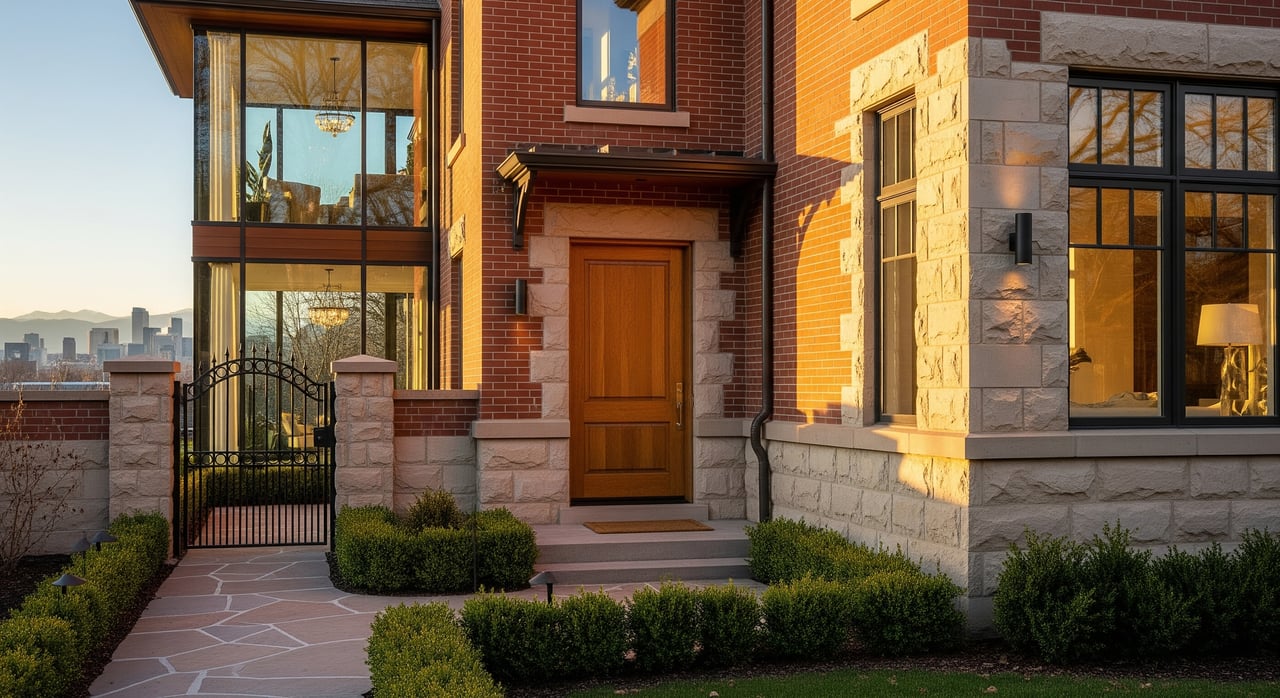
Smart Appraisal Gap Coverage for Denver Home Offers
Bidding on a Highland or LoHi home and worried the appraisal might come in low? You’re not alone. In competitive Denver neighborhoods, strong demand and unique properties can push prices beyond recent comps. In this guide, you’ll learn what appraisal gap coverage is, how to structure it without overexposing yourself, and how to keep your lender and contract timelines aligned. Let’s dive in.
An appraisal gap is the difference between your contract price and the appraised value that your lender uses to underwrite the loan. Appraisal gap coverage is an offer term where you promise to bring extra cash to cover some or all of that difference. It gives sellers confidence that you will still close if the appraisal comes in short. It does not change your lender’s rules, and it shifts more financial risk to you.
Highland and LoHi tend to attract multiple offers thanks to central location, restaurants, and short commutes. That competition can push prices above recent sales. Appraisals may lag when the market moves quickly or when comparable sales are thin. In these cases, a clear appraisal coverage plan can help you win while keeping your risk in check.
Lenders base the loan amount on the appraised value, not your contract price. If the appraisal is lower, the lender will not raise the loan to match the contract, so you must cover the shortfall in cash or renegotiate. Appraisal gap coverage is a buyer–seller promise only; it does not bind the lender. You should confirm with your loan officer how much extra cash you might need and how that affects your closing funds and approval.
You have several options. The goal is to boost your offer strength while setting a clear cap on your exposure.
You agree to cover up to a set dollar amount above the appraised value, such as “up to $20,000.” This makes your maximum obligation clear and easy to budget. It is common in mid-range price points or when you want to keep risk tightly contained.
You agree to cover a percentage of the price or shortfall, such as “up to 3 to 5%.” This scales with the home’s price, which can be useful at higher price points where a small fixed dollar cap may not be enough. It still limits your exposure but signals strength to the seller.
You agree to close regardless of the appraisal result, often used when you are bringing substantial cash or using portfolio or no-lender financing. This is the strongest signal to a seller but carries the most risk for you. Consider this only if you can comfortably handle a worst-case shortfall.
Numbers make this real. Here are two quick scenarios based on common Denver price points.
In Highland and LoHi, buyers often pair a moderate appraisal cap with other terms to win. Consider larger earnest money, a shorter inspection window, or a flexible closing date. An escalation clause can be powerful, and adding appraisal coverage helps backstop any price that exceeds recent comps. Your agent can size a cap based on current comp variability in the block and home type.
Appraisal gap coverage can be the edge you need in Highland and LoHi, but it also shifts risk to you. The best approach is a clear cap, documented funds, and tight coordination with your lender and agent. If you want a strategy tailored to your price point and the specific block, reach out to a local pro who negotiates these terms every week.
Ready to put a smart, competitive plan together for your next Denver offer? Connect with Tatiana Torres to get a clear strategy and confident execution.


We pride ourselves on informing and educating our clients in order to make better real estate decisions. Contact us today to find out how we can be of assistance to you!

200 COLUMBINE ST STE 500 DENVER CO 80206