Leave a Message

Thank you for your message. An agent will be in touch with you shortly.

Preparing Your Greenwood Village Home For A Top-Dollar Sale

Thinking about selling your Greenwood Village home and aiming for a top-dollar result? In a small, luxury micro-market, the right prep, pricing, and launch plan can be the difference between a quiet listing and multiple strong offers. You want a simple, proven roadmap that respects your time, maximizes ROI, and delivers a polished product buyers cannot ignore. This guide walks you through a 3 to 8 week prep plan, high-impact improvements, marketing that drives engagement, smart pricing, and the key disclosures you will need. Let’s dive in.

Greenwood Village market at a glance

Greenwood Village sits in a high six-figure to low seven-figure price band. Recent snapshots show median sale prices around 1.27M to 1.53M, with a typical value estimate near 1.37M. Median days on market have been reported around 54 to 71 days in early 2026. Numbers vary by source because of small sample sizes and different methods, which is common in luxury micro-markets.

What this means for you: inventory is tight and price bands are wide. Large-lot, custom homes trade differently than smaller pockets near the Tech corridor. For a defensible launch price, use an agent-built CMA that pulls recent, like-kind comps from your immediate subdivision and weighs price per square foot, lot, views, and finish level.

Build a winning plan: 3–8 week prep

Week 0: strategy and scope

Start with a focused walkthrough to set priorities and budget. Confirm any HOA rules and whether planned work needs city permits. Greenwood Village lists which residential projects typically require permits, from decks and fences to HVAC and roofing. Review the city’s guidance on the Building Permits and Inspections page.

If you prefer not to pay upfront for prep, consider Compass Concierge. Eligible pre-sale services like staging, paint, flooring, landscaping, and select repairs can be advanced and repaid at closing. Terms vary by market and require listing with Compass, so get the written program details before you commit.

Weeks 1–3: high-impact updates

Focus on changes that move the needle with luxury buyers:

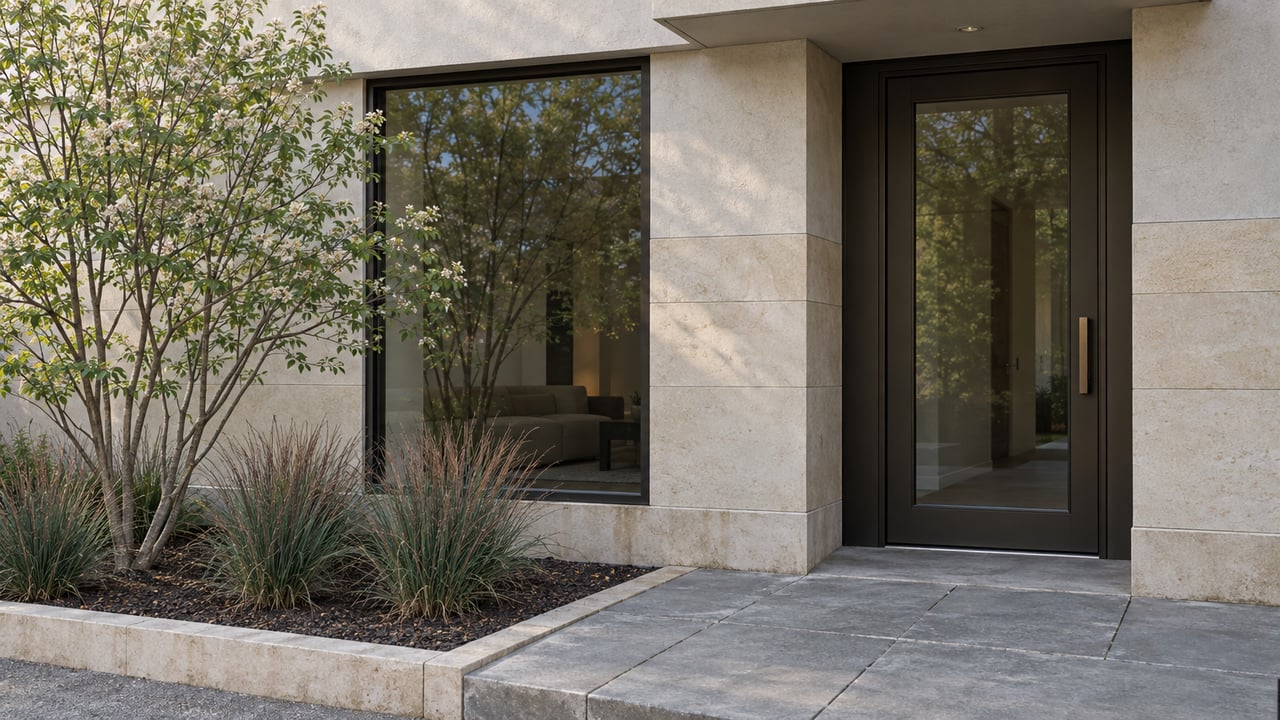
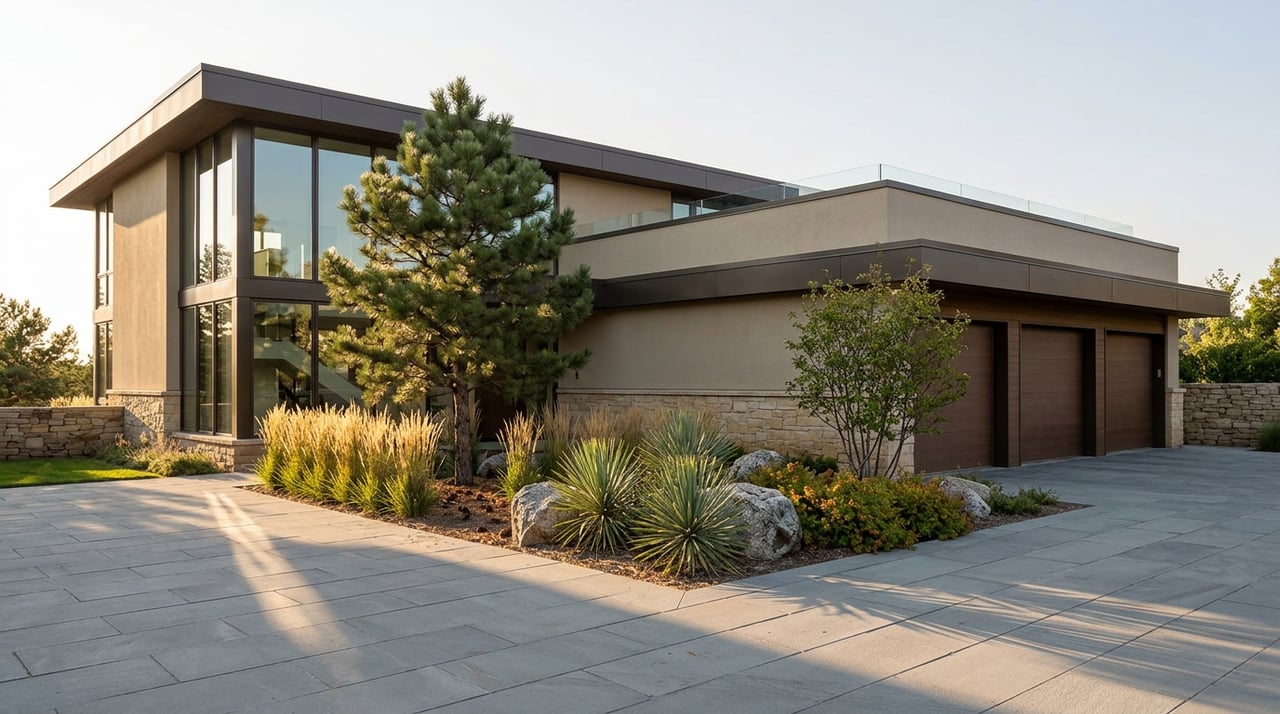
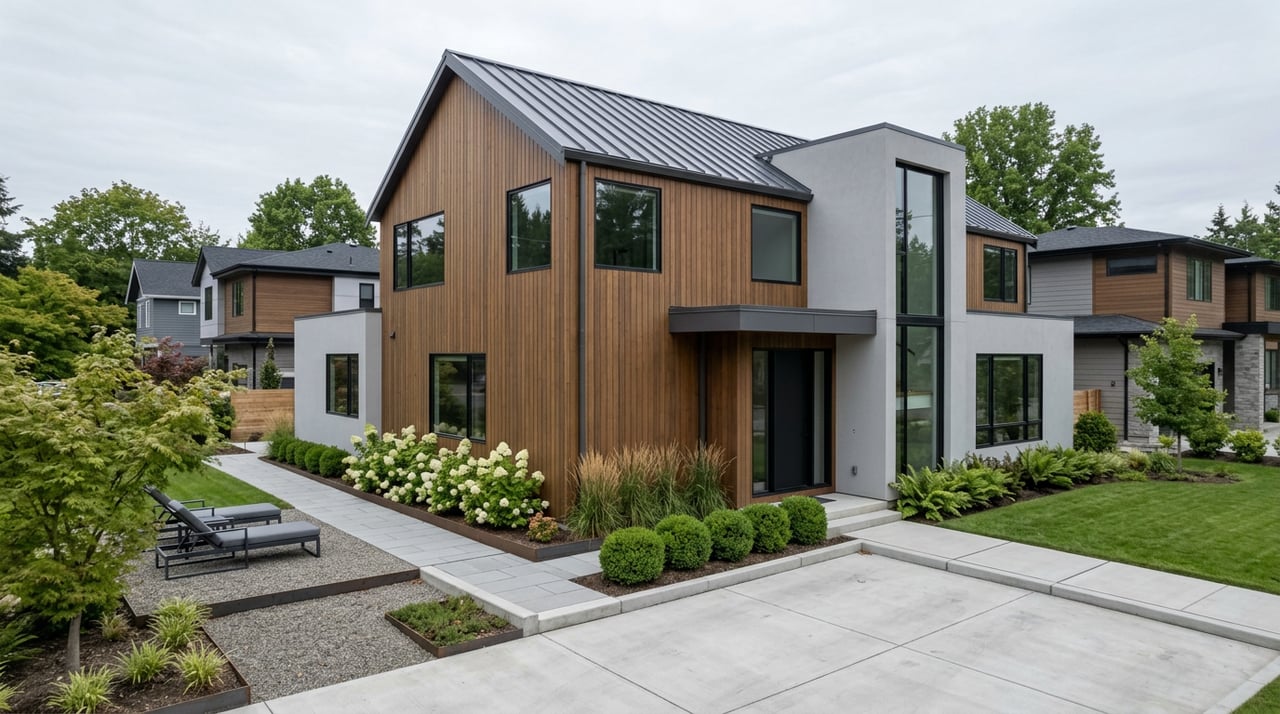
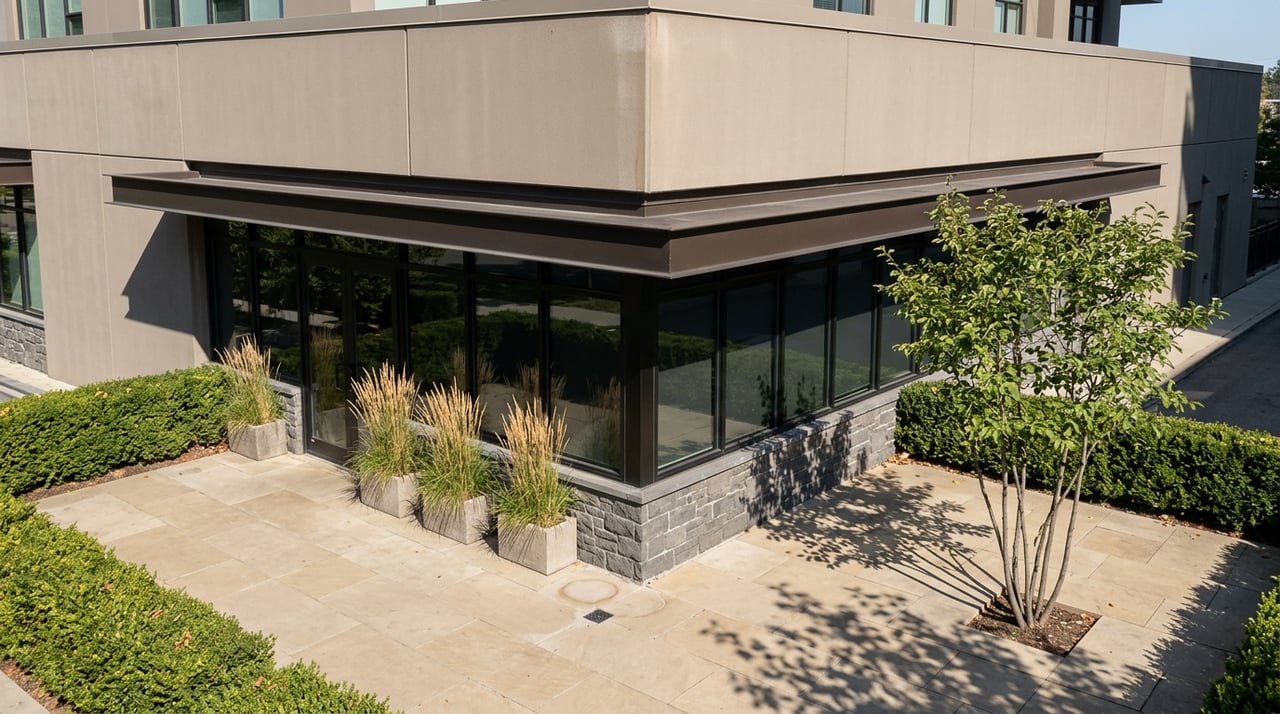
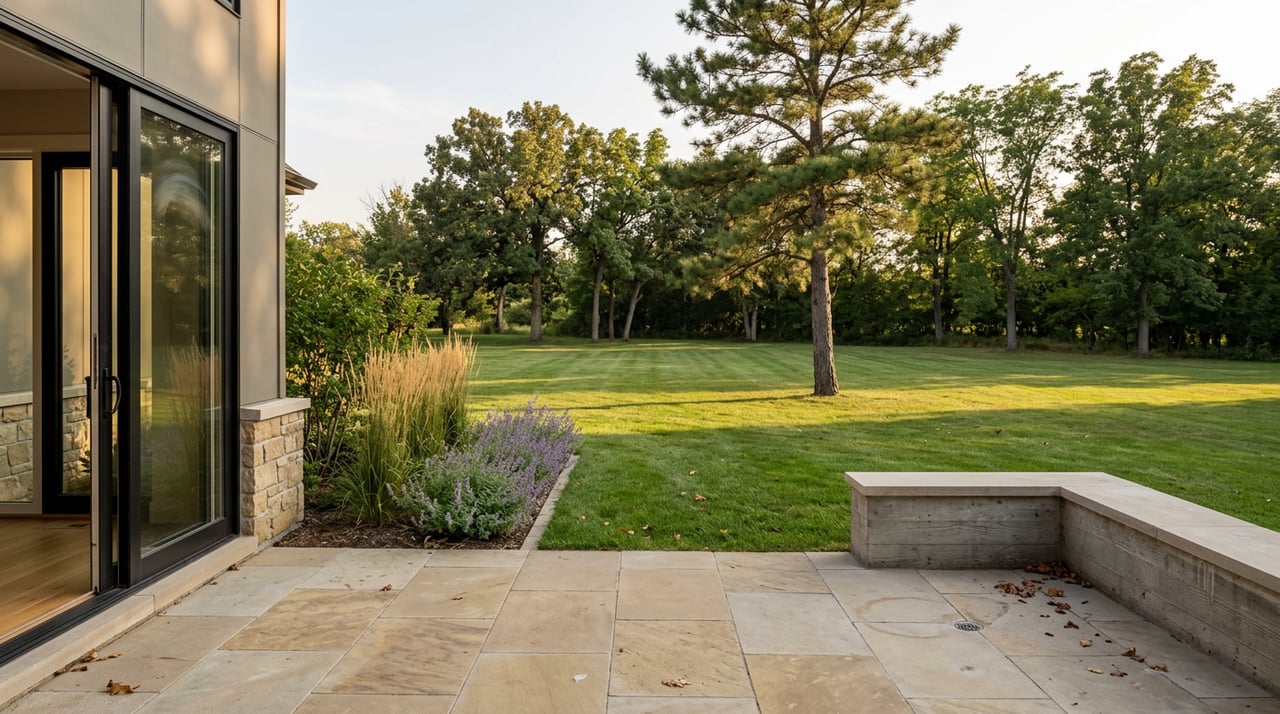
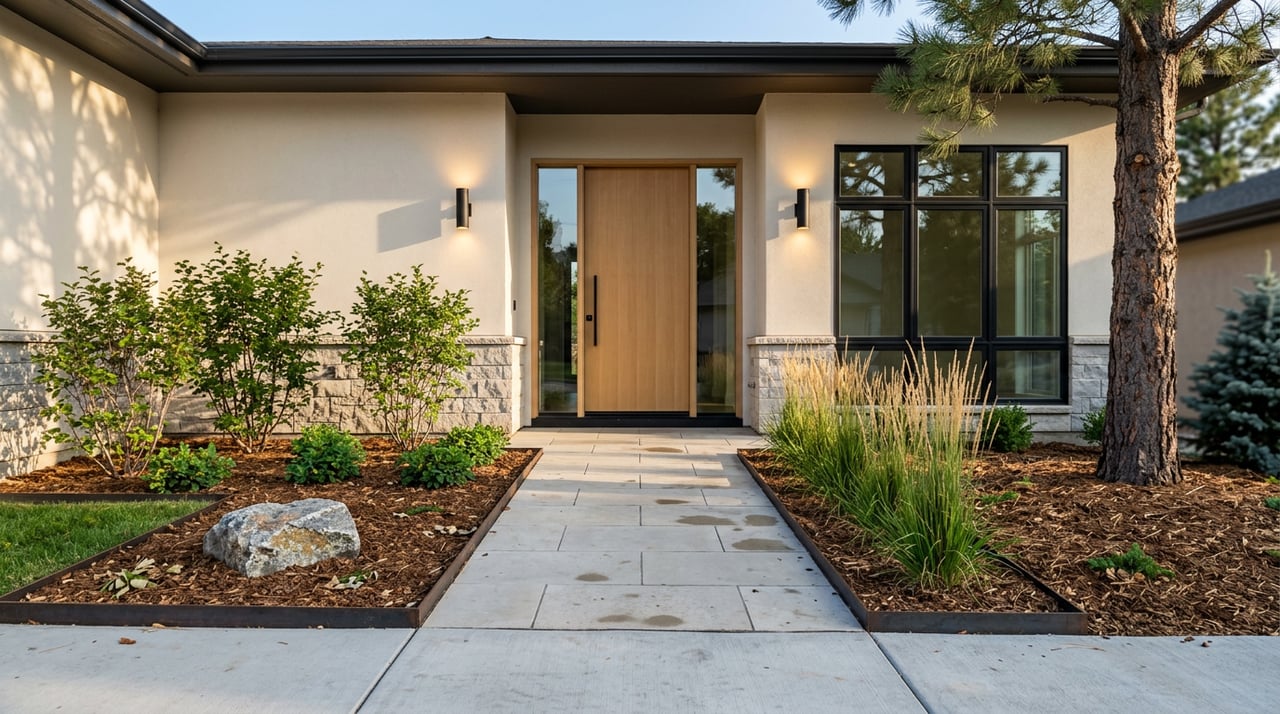
  • Curb appeal and landscaping. Fresh mulch, trimmed trees, clean hardscape, and tuned water features make a strong first impression. If you have a pool or spa, ensure it is serviced and sparkling.
  • Social spaces and flow. Declutter and neutralize living, dining, and kitchen areas so buyers feel volume, light, and an easy indoor-outdoor transition.
  • Kitchen refresh. A minor or midrange update often outperforms a full gut on ROI. Consider new cabinet fronts or paint, modern hardware, updated counters, and replacing dated appliances.
  • Primary suite and baths. Targeted updates like new lighting, mirrors, fixtures, and fresh tile align with luxury expectations without overbuilding.
  • Systems and repairs. Service HVAC, check the roof, water heater, and address obvious deferred maintenance. Clearing inspection objections now protects your net later.

Typical ballpark costs for luxury-scale prep can include: professional staging at roughly 2,000 to 15,000 and up, minor kitchen refreshes around 20,000 to 80,000 depending on scope, landscaping 3,000 to 30,000, and targeted mechanical fixes 1,000 to 10,000 and up. Allocate based on your home’s current condition and likely buyer value perception.

Weeks 2–4: stage and style

Staging helps buyers visualize how to live in the home and can shorten time on market. Target the living room, kitchen, and primary suite for maximum impact. According to NAR research on staging, buyer agents report that staging improves buyer perception and can contribute to stronger offers. In the luxury segment, high-quality accessories, scaled furniture, and layered lighting elevate the experience.

Weeks 3–4: photography and media

Your media package should feel editorial and complete:

  • Professional photography including twilight exteriors for drama and curb appeal.
  • Drone imagery to capture the lot, privacy, and view corridors.
  • A 3-D interactive tour and floor plan for relocation and out-of-area buyers. Providers like Matterport note that immersive tours increase engagement and can speed buyer decisions.
  • A polished video walkthrough plus short social clips to boost discovery.

NAR and industry analyses consistently show higher views and faster sales when listings feature professional photos, aerials, and virtual tours. Aim to present a photo-ready property before you go live.

Launch week: private to public

A staged rollout can help you gather feedback and build momentum. Compass uses a three-phase approach: Private Exclusive, Coming Soon on Compass.com, then full MLS syndication. In Compass’s internal 2024–2025 analysis, pre-marketing was associated with an average 2.9 percent higher close price and faster timelines. Results vary by market, and you should confirm MLS rules and your schedule. Learn more from the Compass marketing press release.

Pricing for top dollar

Build a micro-market CMA

For Greenwood Village, avoid broad city medians and focus on a precise CMA. Use the last 30 to 90 days of closed comps in your immediate sub-neighborhood. Adjust for lot size, usable square footage, views, age of systems, and finish quality. Document upgrades and unique features so buyers and appraisers can follow the value story.

Choose your launch strategy

  • Market-value pricing. List near the top of the comp range to attract qualified buyers and reduce the risk of price cuts.
  • Mild underpricing. Listing 1 to 3 percent under perceived market can spark early competition if you expect multiple buyers in the band.
  • Premium pricing. If your property is truly rare, you can price above the band. Expect a longer runway and have a clear narrative to support it.

Review cadence and adjustments

Set checkpoints at 7 to 14 days and again near 30 days. If online engagement, saves, and qualified showings miss your targets, adjust price or enhance the media package quickly. In luxury, early momentum is a strong predictor of net outcome.

Compliance and documents to prepare

  • Colorado disclosures. You must complete the Seller’s Property Disclosure and disclose known material defects. Colorado’s SB 23-206 strengthened radon disclosure rules. Sellers must share known radon test results and provide buyers with the state-required pamphlet and contract language. Review a plain-English summary of the law here: Colorado radon disclosure overview.
  • Federal lead paint. For homes built before 1978, provide the required lead-based paint pamphlet and any known reports.
  • Permits and HOA records. Gather permit history, inspection approvals, and HOA or Architectural Control Committee approvals for any past or planned work. Confirm permit needs through the City’s Building Permits and Inspections page.
  • Pre-listing inspection. Consider a full pre-listing inspection and specialty checks for roofs, pools, or foundations to reduce renegotiation risk and speed closing.
  • Seller closing costs. Budget for line items like commissions, owner’s title policy, prorated taxes, escrow or settlement fees, HOA transfer, and any negotiated credits. Total seller deductions including commissions often land in the single to low double-digit percentages of sale price, while standard closing fees without commissions often range around 1 to 3 percent and vary by jurisdiction. For a helpful overview, see this closing cost primer.

Simple pre-list checklist

  • Walkthrough with your agent to define scope and budget.
  • Confirm permits and HOA rules for planned work.
  • Declutter, deep clean, and neutralize key rooms.
  • Refresh landscaping and exterior entry.
  • Tackle a minor kitchen update and primary bath touch-ups if needed.
  • Service HVAC and address obvious repairs.
  • Stage the living room, kitchen, and primary suite. Reference NAR’s staging insights as needed.
  • Book professional photography, drone, 3-D tour, and floor plans.
  • Prepare disclosures, permits, warranties, utility and service records.
  • Choose a phased marketing launch and confirm pricing strategy.

Your next move

Selling a Greenwood Village home is about precision. A tight plan, targeted improvements, premium presentation, and a defensible price can add real dollars to your bottom line. If you want white-glove execution backed by a seasoned negotiator and the reach of Compass marketing, let’s talk about your timeline and goals.

Ready to see what your home could sell for and how to maximize your net proceeds? Connect with Tatiana Torres to get a custom prep plan, pricing analysis, and a streamlined launch.
FAQs

How long do Greenwood Village homes typically take to sell in 2026?

  • Recent snapshots show median days on market around 54 to 71 days, but luxury timelines vary by price band, finish level, lot quality, and season.

Which pre-list updates deliver the best ROI for a luxury Greenwood Village home?

  • Landscaping and curb appeal, a minor to midrange kitchen refresh, targeted primary bath updates, and professional staging in key rooms are consistently high impact.

Do I need permits for pre-sale work in Greenwood Village?

What is Compass Concierge and how does it help sellers?

  • Compass Concierge can advance funds for eligible prep work with repayment at closing, subject to local terms and program approval.

What Colorado disclosures should I prepare before listing?

  • Plan for the Seller’s Property Disclosure, radon disclosures under SB 23-206, and lead-based paint documents for pre-1978 homes; gather permits and warranty records early.

How should I set my list price to attract top-dollar offers?

  • Build a micro-market CMA using the last 30 to 90 days of like-kind comps in your subdivision, then choose a launch strategy that matches demand and your timeline.

Work With Us

We pride ourselves on informing and educating our clients in order to make better real estate decisions. Contact us today to find out how we can be of assistance to you!

Follow Me