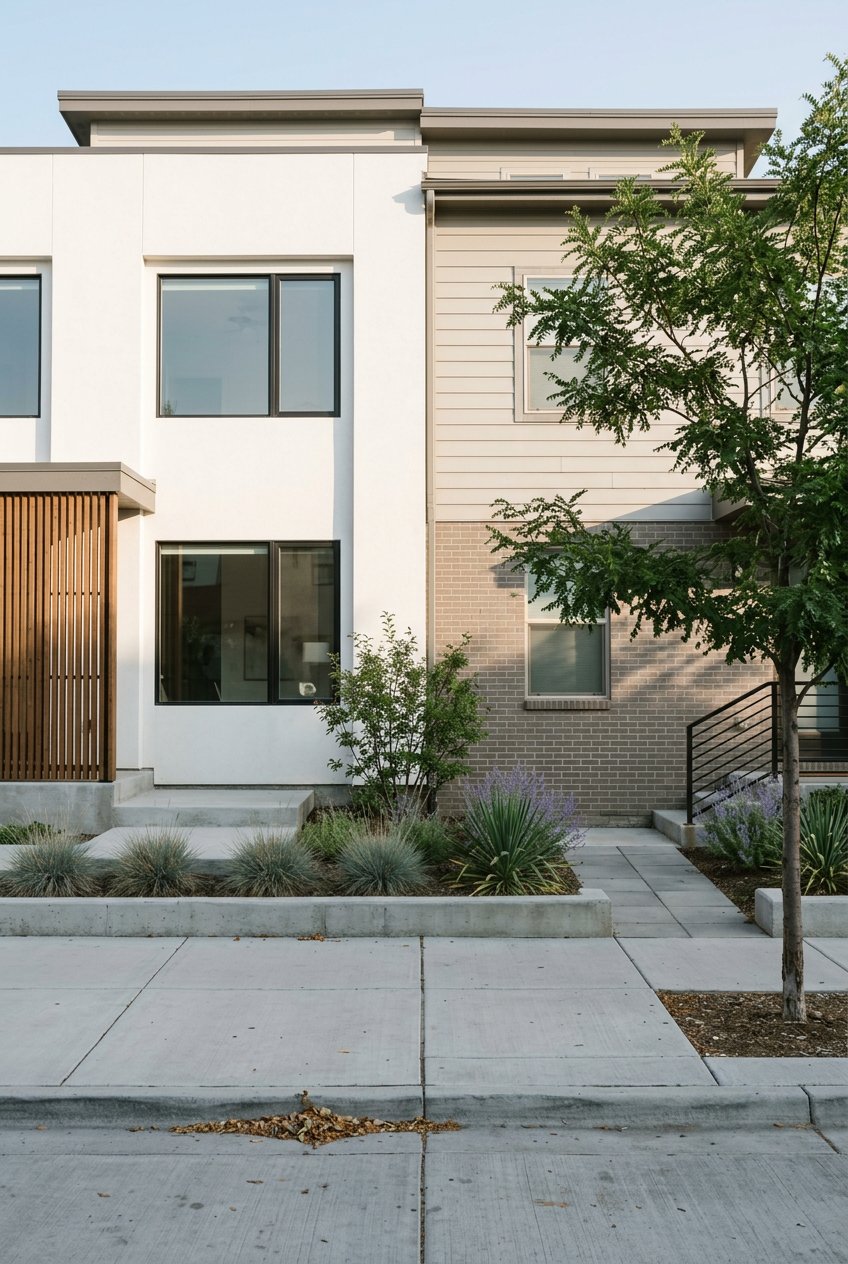
Central Park New Construction Vs Resale: What To Know
Trying to choose between a brand-new home and a resale in Central Park? You are not alone. The right answer depends on more than list price here, because neighborhood-specific costs and build timelines can change your true monthly budget and move-in plan. In this guide, you will see how pricing bands compare, what the Westerly Creek Metro District tax and MCA fees mean for you, and the real tradeoffs on finishes, warranties, and negotiation. Let’s dive in.
Central Park offers townhomes, rowhomes, and detached single-family homes across several micro-neighborhoods. Typical neighborhood medians sit in the mid to upper $700,000s, with townhomes often ranging from the $400,000s to $700,000s. Newer townhome projects have started in the low $600,000s, as seen with the A Line Townhomes release in Central Park West (A Line Townhomes pricing context). Actual prices vary by builder, lot, and included upgrades.
Two recurring costs are specific to Central Park and can materially affect your monthly payment: the Westerly Creek Metropolitan District property-tax mill levy and the Master Community Association assessment. Both are separate from your principal, interest, and insurance.
The Westerly Creek Metropolitan District collects property taxes to repay local infrastructure debt and fund operations. For tax year 2026, WCMD certified a total levy of 68.514 mills (about 66.459 mills for debt service and 2.055 mills for operations). This levy appears as a line item on your Denver property tax bill and can increase annual taxes compared with similar homes outside the district. You can review the official certification in the district’s adopted budget (WCMD 2026 Adopted Budget).
Central Park’s Master Community Association manages community assets like parks, pools, alleys, and programming. For most for-sale residential units, the MCA assessment is $58 per month effective January 1, 2026. The MCA publishes annual assessments and explains how funds are used in its budget documents (MCA assessment schedule and 2026 MCA Budget Book). Some buildings also have sub-HOAs that add dues for exterior maintenance, insurance, and shared utilities. Always verify whether a listing’s monthly figure is MCA-only or includes a sub-HOA.
To translate mills into dollars, multiply the county’s assessed value of the property by the mill levy (expressed as a decimal). For example:
This example is for illustration only. Your actual assessed value and total tax bill will differ. The WCMD tax is separate from Denver city, county, and school tax lines, all of which you should include in your full monthly budget (WCMD 2026 Adopted Budget).
New homes in Central Park typically come with open layouts, modern energy features, and a design-center process for choosing cabinets, counters, flooring, and appliance packages. Base prices rarely include every finish you will want, so expect upgrades to move the final contract number. For example, new townhomes marketed “from the low $600s” often close higher after options are added (A Line Townhomes pricing context).
Most builders offer a warranty structure often summarized as “1-2-10” (roughly 1 year for workmanship, 2 years for distribution systems, and up to 10 years for qualifying structural defects). Many structural warranties are third-party and insurance-backed. Always confirm coverage details, transferability, and claim processes in writing (builder warranty overview).
If you select options and build from the ground up, plan on roughly 6 to 12 months depending on permitting and supply conditions. Quick-move-in specs can close in about 30 to 60 days if already framed or finished. Time your rate lock and ask about extended-lock options if you are building over several months (new construction timeline guidance).
Builders may be firm on base price, but they often negotiate on upgrades, closing-cost credits, or lot premiums depending on sales pace. Get a detailed options sheet so you can compare the final all-in number to nearby resales. Experienced buyer representation can help you evaluate incentives and contract language before you commit (negotiating considerations).
Resale homes offer immediate occupancy, established landscaping and trees, and a clear picture of the specific home you are buying. You may find more flexibility on price, repairs, or closing timelines depending on market conditions. For condos and townhomes, sub-HOAs often have a documented reserve and maintenance history you can review.
Older homes may have deferred maintenance or older mechanical systems. Energy performance may not match the latest new-build standards, and some floor plans can feel dated. Warranties are usually limited to manufacturer coverage on appliances or a seller-provided service plan if offered. A thorough inspection is essential.
Lot and location drive value inside Central Park. Park-facing and corner lots, and homes near large greenways or with view corridors, often command premiums. Micro-areas like Conservatory Green, Beeler Park, and Central Park West have distinct product mixes and walkability. Proximity to the A Line at Central Park Station is a major convenience factor for the southern neighborhoods (RTD station and TOD context).
Lot sizes also vary widely. Some attached or rowhome lots are under 1,000 square feet, while larger detached homes can sit on lots over 6,000 square feet. Confirm lot size, yard usability, garage access via alleys, and any park adjacency when you compare options.
Use this list to compare specific homes side by side.
Whether you lean new or resale, you will make a stronger decision with clear numbers, timeline expectations, and a firm grasp of WCMD and MCA costs. If you want a side-by-side breakdown for specific homes, personalized negotiation strategy, or help modeling monthly payments with taxes and fees, connect with Tatiana Torres for a focused Central Park game plan.


We pride ourselves on informing and educating our clients in order to make better real estate decisions. Contact us today to find out how we can be of assistance to you!

200 COLUMBINE ST STE 500 DENVER CO 80206