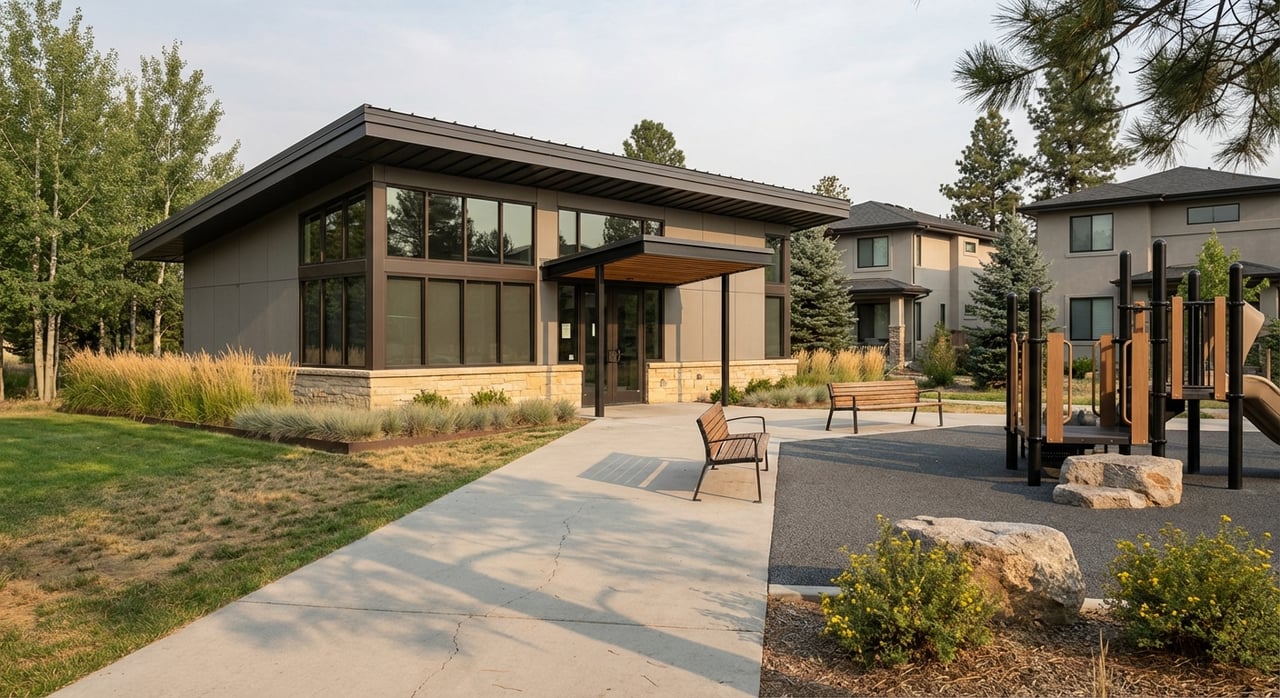
Guide to Highlands Ranch & Littleton Family Homes
Are you weighing Highlands Ranch against Littleton for your next home? You want more space, manageable commutes, and weekends outside without giving up daily convenience. This guide lays out the tradeoffs that matter to dual‑income families: commute patterns, school updates, neighborhood pockets, parks, and real‑world budget factors. Let’s dive in.
Highlands Ranch is a large, master‑planned community known for recreation centers, pools, and a connected trail network. The housing stock skews newer, with many 3–5 bedroom homes and a premium tier in Southridge and BackCountry. Typical values sit in the mid to high six figures, and inventory often features finished basements and two‑car garages. The area’s population and commute patterns are well documented in the U.S. Census QuickFacts for Highlands Ranch.
Littleton, the incorporated city just west and northwest of Highlands Ranch, offers a compact, older housing mix with a walkable historic Main Street and direct light‑rail access. You will find townhomes, classic single‑family streets, and larger foothill properties closer to Ken‑Caryl. Median values tend to run somewhat lower than Highlands Ranch’s highest‑priced pockets, according to U.S. Census QuickFacts for Littleton.
Both areas show mean travel times to work near 25 minutes, a useful baseline if you and your partner split between the Denver Tech Center and downtown. Highlands Ranch residents average about 25 minutes, similar to Littleton’s 25‑minute mean, per Census QuickFacts. Most families rely on car commutes via I‑25, C‑470, and US‑85/Santa Fe.
Littleton provides the most direct rail option with RTD stations at Littleton‑Mineral and Littleton‑Downtown, plus regional Park‑n‑Rides. Highlands Ranch residents often use nearby Park‑n‑Ride facilities when they want to mix in transit. You can check stations, lots, and capacities on RTD’s Stations and Park‑n‑Rides map. For many dual‑income households, the practical move is to map peak travel windows to both work sites, then choose a pocket with quick access to your primary route.
Highlands Ranch is primarily served by Douglas County School District (DCSD), and Littleton is primarily served by Littleton Public Schools (LPS). Both districts include high‑performing schools by various measures. Always confirm a home’s assigned schools by address on each district’s website, since boundaries can shift.
In Highlands Ranch, DCSD approved elementary consolidations set to take effect in the 2026–27 school year. Pairings included Saddle Ranch to Eldorado, Heritage to Summit View, and Acres Green to Fox Creek. Review transition details on DCSD’s Growth & Decline page and local coverage summarizing the process and timeline from Denver7. In Littleton, use the district site to review enrollment details, boundary maps, and programs on the Littleton Public Schools homepage.
Charter and private options exist in both areas, along with preschools. If your children are elementary age, build some flexibility into your plan while you confirm final boundaries and feeder patterns for your target address.
If you love the outdoors, Highlands Ranch is built for it. The Metro District documents more than 70 miles of connected trails and thousands of acres of open space, including the roughly 8,200‑acre Backcountry Wilderness Area. Explore the network on the Highlands Ranch Open Space & Trails page. The Highlands Ranch Community Association operates multiple recreation centers, pools, and youth programs that serve the Eastridge, Westridge, Northridge, and Southridge areas. Get a feel for the amenities through the HRCA overview.
Littleton layers in a different kind of weekend mix. Stroll the formal gardens and seasonal events at Hudson Gardens, ride the Platte River Trail, and spend summer days at nearby Chatfield State Park and Denver Botanic Gardens Chatfield Farms. For neighborhood rides and kid‑friendly loops, the Big Dry Creek Trail in Littleton connects into a broader system.
Entry and first move‑up options often include 2–3 bedroom condos and townhomes that trade at lower price points, with HOA fees that typically cover exterior maintenance and shared amenities. Conventional family homes in both areas run 3–5 bedrooms with finished basements and yards in the 4,000–9,000 square foot range in established neighborhoods.
For quick context on values, market trackers in early 2026 showed Highlands Ranch medians near the mid to high $600,000s, with some reports around 650,000 dollars. Littleton’s typical value was reported around 617,000 dollars, with a wide range by pocket. Premium product, such as the gated BackCountry or larger foothill properties near Ken‑Caryl, commonly sells well above 1 million dollars. Medians shift month to month and by neighborhood. Use current month snapshots when you are ready to tour.
Association dues vary widely across both cities, from low triple‑digit monthly fees in condo communities to quarterly fees or several hundred dollars per month for amenity‑heavy properties. Before you fall in love with a home, request the HOA declaration, budget, and reserve study. Confirm what is covered, such as trash, water, exterior maintenance, and long‑term reserves.
In Highlands Ranch, remember there is an extra layer of community governance and amenities. The Highlands Ranch community association and the Metro District deliver services like rec centers and trails. Ask how that membership works for your address, what you pay, and how access is structured.
Both districts and community organizations offer before‑ and after‑school care and day‑camp programming. In Highlands Ranch, HRCA rec centers run year‑round youth programs and off‑track options that are practical for working parents. Start with the HRCA overview and the Metro District’s community site to find current program links.
Within Littleton, district‑run SACC and community options operate on most school days and breaks. Review enrollment and program details on the Littleton Public Schools homepage. For both areas, plan ahead, since popular after‑care and summer camps often have waitlists.
Ready to compare addresses and put real numbers to each option? Let’s map commutes, confirm school pathways, and target the right pocket and floor plan for your family. Connect with Tatiana Torres for a focused, data‑driven buying strategy and strong negotiation from offer through closing.


We pride ourselves on informing and educating our clients in order to make better real estate decisions. Contact us today to find out how we can be of assistance to you!

200 COLUMBINE ST STE 500 DENVER CO 80206