Berkley Denver Real Estate: Denver’s Next Hot Neighborhood
If you have been watching northwest Denver, you have probably noticed one neighborhood keeps coming up again and again: Berkeley. It has the kind of momentum buyers pay attention to, but it still feels grounded in the things people actually want, like walkable retail, parks, trails, and a mix of housing styles. If you are trying to figure out whether Berkeley is hype or a smart move, this guide will show you why so many people see it as one of Denver’s most closely watched neighborhoods. Let’s dive in.
Part of Berkeley’s appeal is that it does not feel manufactured. According to Denver landmark preservation records, the area traces back to John Brisben Walker’s Berkeley Farm in 1879, then evolved through the Town of North Denver before becoming Berkeley in 1898 and joining Denver in 1902.
That history still shapes how the neighborhood feels today. The same Denver records note that Tennyson Street developed as a streetcar-influenced main street, which helped connect northwest Denver to downtown and support early residential and commercial growth. In plain terms, Berkeley grew with a real neighborhood backbone, and that matters when you are looking for a place with character that lasts.
If Berkeley has a center of gravity, it is Tennyson Street. 5280’s Berkeley neighborhood guide describes the corridor as the area’s anchor for restaurants, bars, and shops, with recurring draws like First Friday Art Walks.
That kind of main street energy is hard to fake. It gives you a neighborhood where daily errands, weekend plans, and casual nights out can all happen close to home. For buyers, that often translates into stronger long-term demand because people are not just buying a house, they are buying into a lifestyle.
A hot neighborhood is not just about where you eat or shop. It is also about how the area supports your everyday routine, and Berkeley has a strong outdoor side.
The City of Denver lists Berkeley Dog Park near West 46th Avenue and Sheridan. Denver also notes that Rocky Mountain Lake Park at Lowell and 46th features a nearly 23-acre lake and a multi-use trail, and the city trail system includes both the Berkeley Lake Loop and Rocky Mountain Lake Loop.
That mix gives the neighborhood a more livable rhythm. You can enjoy an urban setting without giving up access to open space, trails, and dog-friendly spots. For many buyers, that is exactly the sweet spot.
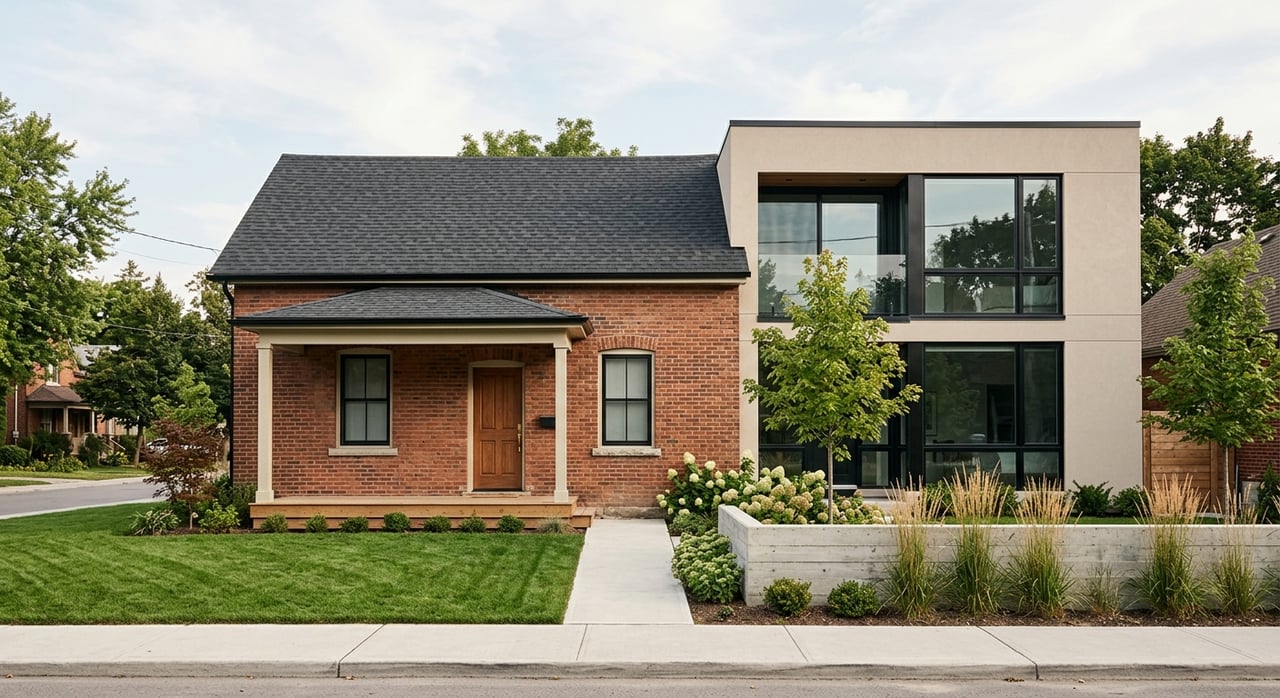
One reason Berkeley stands out is that it does not fit into a single look or housing type. 5280 describes the neighborhood as a mix of Denver Squares, Victorians, modern townhomes, and duplexes.
That variety matters for two reasons. First, it gives buyers more choices depending on budget, style, and stage of life. Second, it helps the neighborhood feel dynamic rather than frozen in time or overbuilt all at once.
If you are hoping Berkeley is still a secret deal, the numbers suggest otherwise. According to Redfin’s Berkley market data, the February 2026 median sale price was $500,000, up 44.7% year over year.
At the same time, Berkeley is best understood as rising rather than cheap. The research also shows that Zillow’s neighborhood value data places Berkeley in a similar broad price band as other high-demand northwest Denver neighborhoods, with some nearby areas a bit higher and others somewhat lower.
The key takeaway is simple: Berkeley is not a bargain-bin market, but it may still feel attainable relative to some of Denver’s most expensive urban pockets. That combination often attracts buyers who want upside without feeling like they already missed the entire run.
A lot of “hot neighborhood” stories fade because there is no path for thoughtful growth. Berkeley is different because change is happening alongside planning and preservation.
In 2024, Denver approved an ADU rezoning expansion in Berkeley and Sunnyside, extending ADU rights to nearly 1,700 properties in District 1. The city framed the move as a way to help stabilize incomes, support aging in place, and create more attainable rental opportunities.
For buyers and owners, that signals flexibility. It suggests the neighborhood is not just preserving what exists today, but also making room for housing options that can meet changing needs over time.
Growth gets attention, but preservation often protects long-term appeal. Denver’s 2021 Tennyson Active Centers and Corridors overlay was adopted to preserve mixed-use main street character, keep commercial uses on parts of the corridor, and slow the loss of local businesses to fully residential redevelopment.
That matters because one of Berkeley’s strongest assets is its identity. When a neighborhood keeps its commercial spine intact, it is more likely to retain the walkable, local feel that drew buyers there in the first place.
The historic housing stock also adds scarcity. Denver’s landmark materials note that in one 87-acre study area between West 38th and West 46th avenues, only four alley-house examples remained in 2024. As older housing types become rarer, the character they bring can become even more valuable.
So why do people keep calling Berkeley Denver’s next hot neighborhood instead of saying it has already peaked? The answer is balance.
Berkeley already has the things buyers want now: a known main street, parks, trails, local destinations, and a wide housing mix. But it also has signs of continued momentum, including policy moves that support mixed-use character and more housing flexibility.
That is what makes the neighborhood so compelling. It sits between old-Denver charm and ongoing infill, which helps it feel both rooted and current. In a lot of markets, that combination is where demand stays strongest.
No neighborhood fits everyone, and that is important to say clearly. Still, 5280 points to Berkeley’s broad appeal for first-time homebuyers, young families, and empty nesters.
That range makes sense when you look at the neighborhood’s fundamentals. Some buyers may be drawn to older homes with character, others to newer townhomes or duplex options, and others to the convenience of being near Tennyson Street and multiple parks. Berkeley offers enough variety that your priorities can shape the search.
If Berkeley is on your radar, it helps to look beyond headlines. A smart search here means paying attention to:
In a neighborhood like Berkeley, details matter. Two homes with similar square footage can offer very different day-to-day experiences and long-term value depending on location, lot use, and property type.
Berkeley is not Denver’s cheapest up-and-coming neighborhood, and that is exactly the point. It is one of northwest Denver’s most compelling places because it combines historic character, strong local amenities, park access, and ongoing housing evolution in a way that keeps demand high.
If you are thinking about buying or selling in Berkeley, you need more than a generic market snapshot. You need a strategy built around block-by-block differences, pricing nuance, and strong negotiation. If you want clear guidance and sharp representation, connect with Tatiana Torres for expert help navigating Berkeley and the broader Denver market.

We pride ourselves on informing and educating our clients in order to make better real estate decisions. Contact us today to find out how we can be of assistance to you!

200 COLUMBINE ST STE 500 DENVER CO 80206