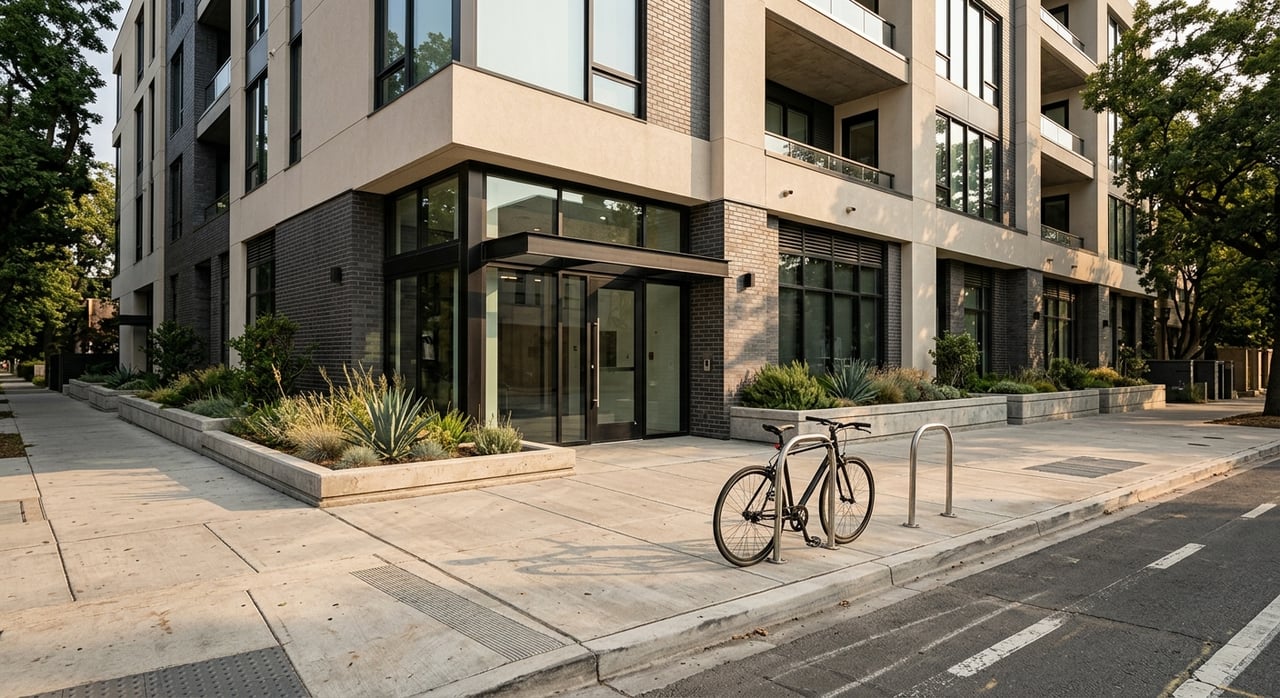
Is the Highlands LoHi Denver Lifestyle Right for Going Car-Light?
Wondering if you can really live car-free in Denver’s Highlands and LoHi? The honest answer is almost. If you want a neighborhood where you can walk to coffee, ride to downtown, and handle many daily errands without getting behind the wheel, this part of Denver deserves a close look. Here’s what makes Highlands and LoHi a strong fit for a car-light lifestyle, where it works best, and what to keep in mind before you move.
Highlands is not just one small pocket. Denver Public Library describes it as a broader area made up of multiple districts, and LoHi is one of the main districts within that larger Highlands area. That mix gives you more variety in how you live, move, and shop day to day.
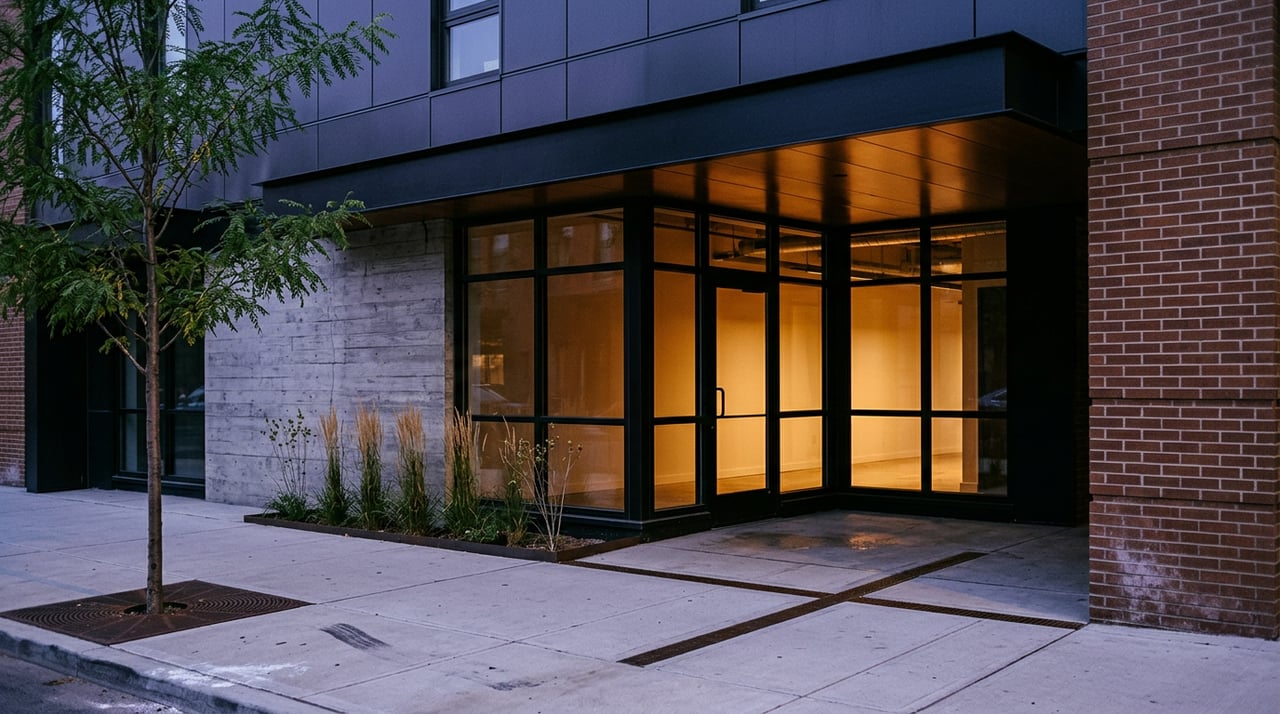
You’ll find historic homes, newer architecture, parks, independent businesses, and a dense dining scene close to downtown. Apartments.com notes that downtown Denver is about two miles southeast of Highlands, which helps make walking, biking, and short transit trips realistic for many residents. If your goal is to live with fewer car trips, location here can do a lot of heavy lifting.
It’s best to think of Highlands and LoHi as car-light, not fully car-free. That distinction matters if you are choosing a home based on your daily routine. Some blocks make it easy to walk, bike, and use transit, while others may still leave you wanting a car for convenience.
For many residents, the lifestyle works best when you can walk to restaurants, coffee shops, bars, boutiques, and nearby parks, then bike or ride transit for downtown trips. You may still prefer a car for winter weather, larger grocery runs, or cross-town errands. The key is knowing which parts of the neighborhood support that pattern best.
RTD Route 32 is a major reason this area works so well for car-light living. RTD says Route 32 runs along West 32nd Avenue from Civic Center Station to Olde Town Arvada and passes through LoHi, Highland Square, West Highlands, and downtown connections at Union Station and Civic Center. That gives you a practical transit spine for commuting, meeting friends, and handling regular errands.
If you are home shopping with a no-car or one-car goal, being close to West 32nd Avenue can make a real difference. It gives you better access to one of the neighborhood’s most useful transit corridors. In a location-driven search, that kind of daily convenience can matter just as much as square footage.
Transit is only part of the story. Denver says the city has more than 90 miles of off-street multi-use trails, and the South Platte River Trail is especially important near Highlands and LoHi. It creates a continuous walking and biking corridor near the neighborhood and downtown.
That trail connection helps turn a near-downtown location into a true car-light lifestyle. You can use it for exercise, commuting, or simply getting around without sitting in traffic. Denver’s bike map also shows West 32nd Avenue and the South Platte River Trail as part of the near-downtown mobility network, which reinforces how connected this area is for riders.
Walk Score ranks Highland as Denver’s 6th most walkable neighborhood. It gives Highland an 85 walk score, a 55 transit score, and an 89 bike score. Those numbers support what many buyers notice right away: this is a neighborhood where daily life can happen close to home.
In practical terms, that means you can often organize your routine around a few walkable corridors instead of constant car trips. Think coffee in the morning, a short walk to dinner, a bike ride toward downtown, or a bus trip for work. If that rhythm fits your lifestyle, Highlands and LoHi can be a smart match.
Not every block in the broader Highlands area will feel equally convenient. The strongest car-light experience is likely on blocks closest to places where transit, trails, and commercial activity overlap. Based on the research, these are the areas to pay the most attention to:
If you are serious about reducing car use, your exact address matters. A few blocks can change how often you walk versus drive.
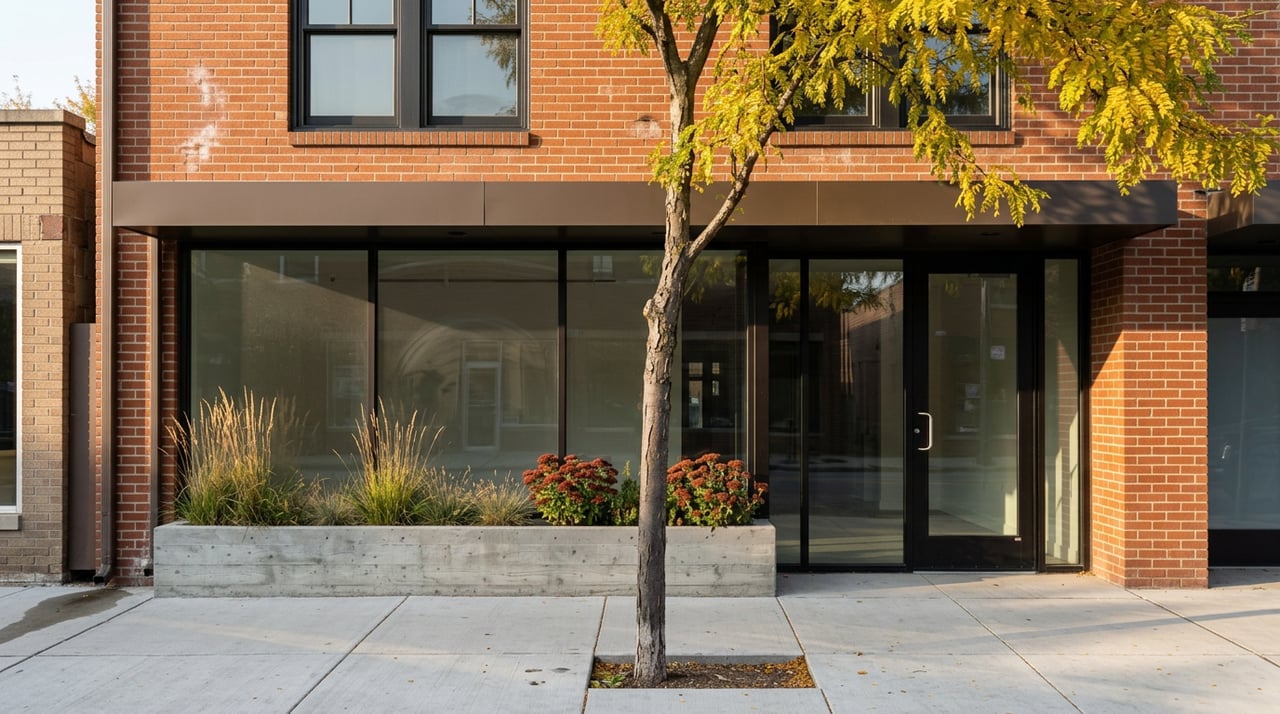
Visit Denver describes the area as a mix of Victorian-era homes, independent shops, art galleries, restaurants, breweries, and parks. It also notes LoHi’s mix of old and ultra-modern architecture, along with downtown views. For residents, that variety creates an environment where outings and errands can feel more integrated into daily life.
Instead of planning your whole day around parking and traffic, you may be able to stack activities close together. Grab coffee, meet a friend for lunch, run a quick errand, and head home on foot or by bike. That kind of convenience is one of the biggest reasons buyers are drawn to this part of Denver.
If you are prioritizing lifestyle and access over a larger footprint, Highlands and LoHi offer a broad housing mix. Denver Public Library says Highlands was incorporated in 1875 and had more than 35 subdivisions by 1890, with square blocks and carriage lots shaping the original layout. That older neighborhood pattern still influences how the area feels and functions today.
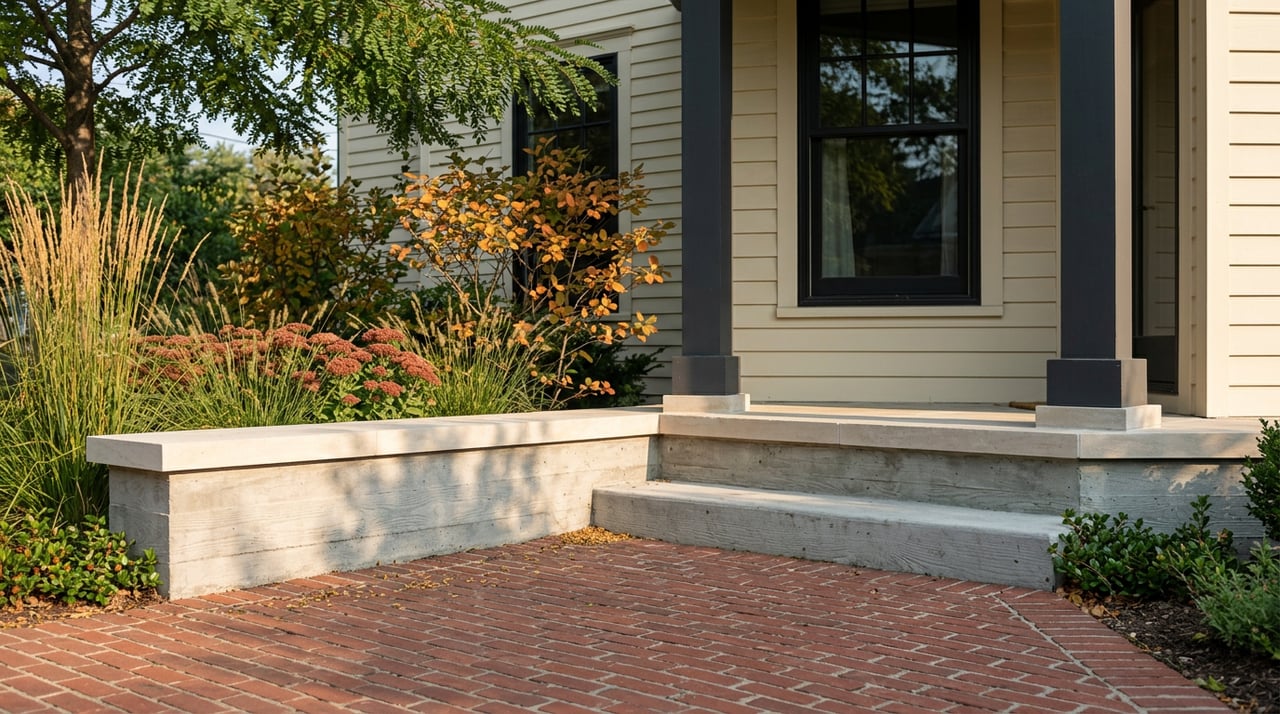
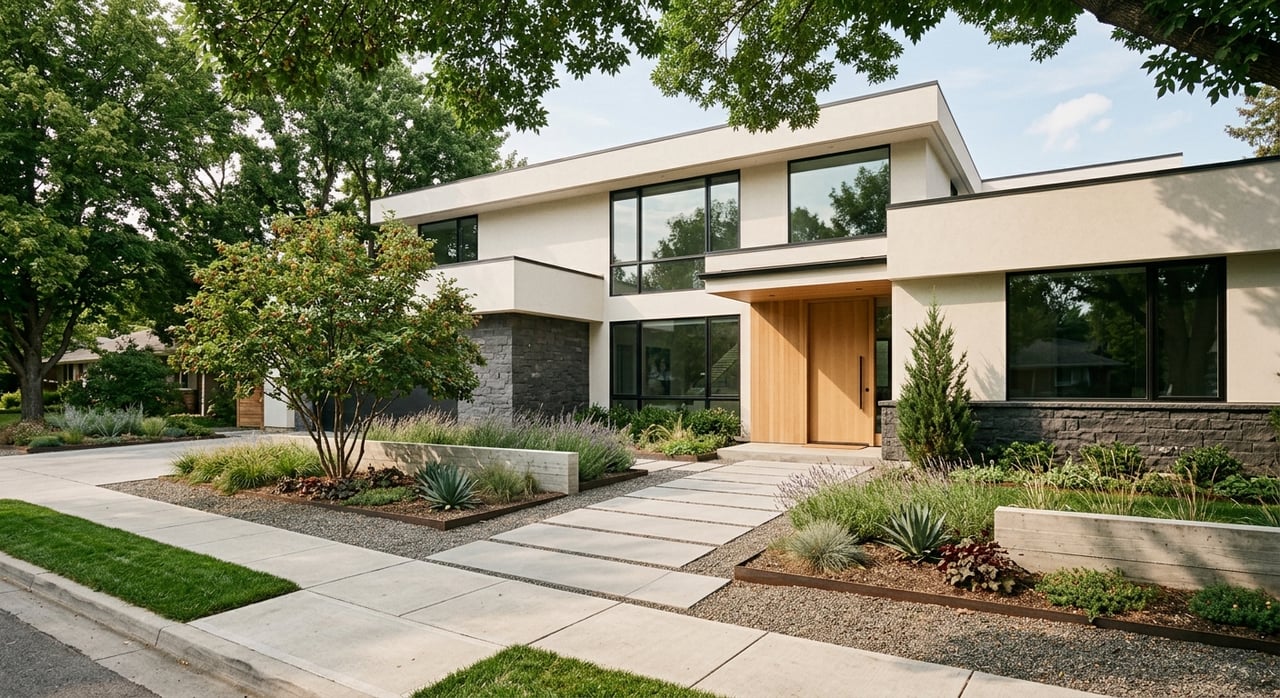
Historic Denver and Denver Public Library describe a mix that includes mansions, bungalows, cottages, foursquares, simple houses, duplexes, triplexes, and multifamily properties. Denver planning material says two-story brick rowhomes are also common in Highland. Apartments.com adds that the broader area includes Victorian-style homes, historic brick buildings, modern apartments, and sleek architecture.
That range can be helpful if you are buying with a location-first mindset. You may find a condo, townhome, rowhome, or smaller detached home that lets you trade some space for better daily mobility. For many buyers, that is a worthwhile exchange when the neighborhood supports the way they want to live.
A car-light lifestyle sounds great, but it should still match your real habits. Before you buy in Highlands or LoHi, think about how often you commute across town, how you prefer to handle groceries, and whether you are comfortable walking or biking year-round. Your personal routine matters more than the idea of the neighborhood.
It also helps to think carefully about your exact home search criteria. A beautiful property in the broader Highlands area may not feel as convenient if it sits farther from West 32nd Avenue, Platte Street, or the South Platte Trail. If reducing car dependence is one of your top goals, make that part of your search strategy from day one.
For many buyers, living car-light is about more than transportation. It can mean spending less time driving, staying more connected to your neighborhood, and enjoying easier access to restaurants, parks, and downtown. In the right location, it can also simplify your weekly routine.
That is one reason Highlands and LoHi continue to stand out. You get a near-downtown setting, a mix of housing styles, useful transit access, strong biking connections, and walkable commercial corridors. If you want a Denver neighborhood that supports a more flexible, less car-dependent lifestyle, this area makes a strong case.
If you want help finding the right block, building type, and commute setup in Highlands or LoHi, connect with Tatiana Torres. She can help you match your home search to the way you actually want to live.


We pride ourselves on informing and educating our clients in order to make better real estate decisions. Contact us today to find out how we can be of assistance to you!
200 COLUMBINE ST STE 500 DENVER CO 80206